Timelaps TrégastelTimelapse grande marée à Trégastel sur la Côte de Granit Rose - Bretagne

Spring tides in Brittany

A gravitational phenomenon between the Moon and the Sun
Watch video

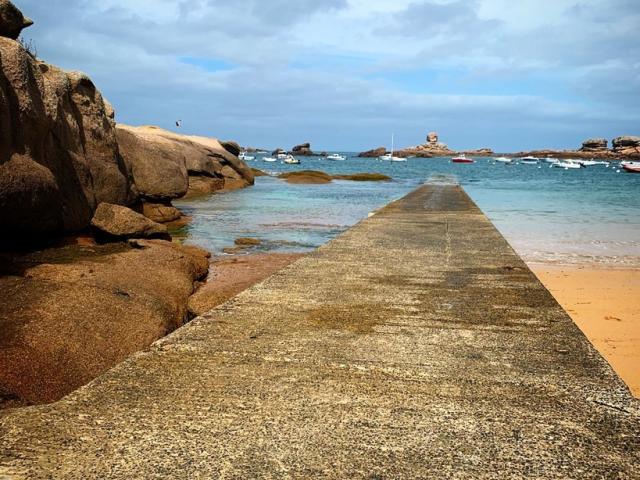
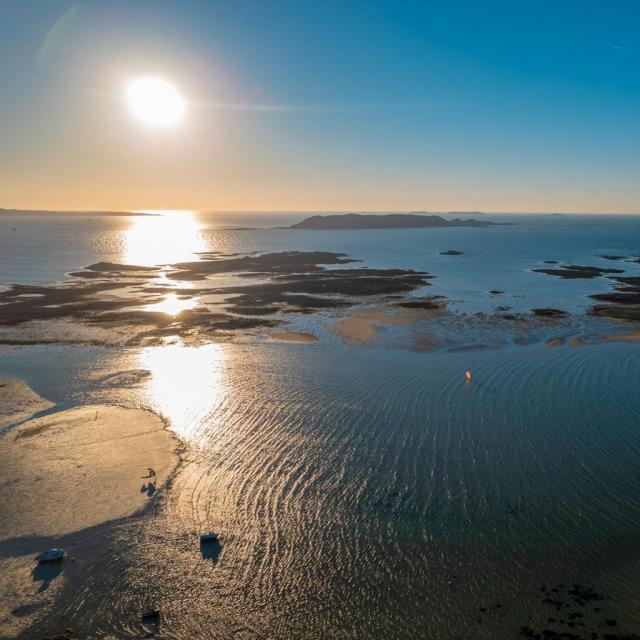
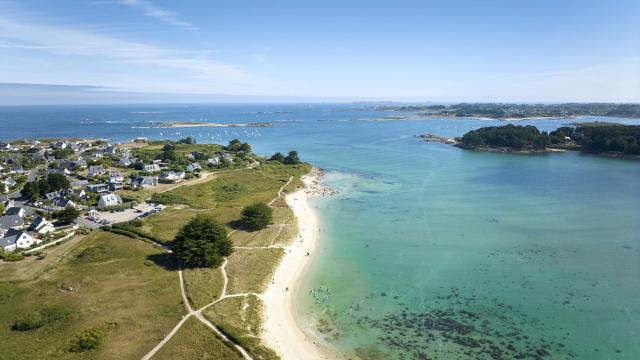
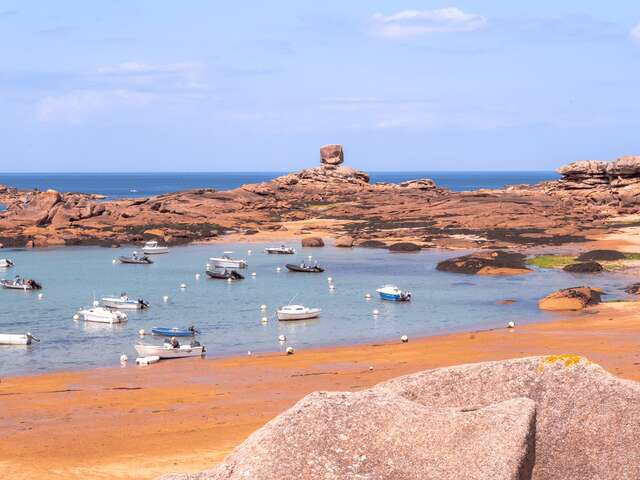
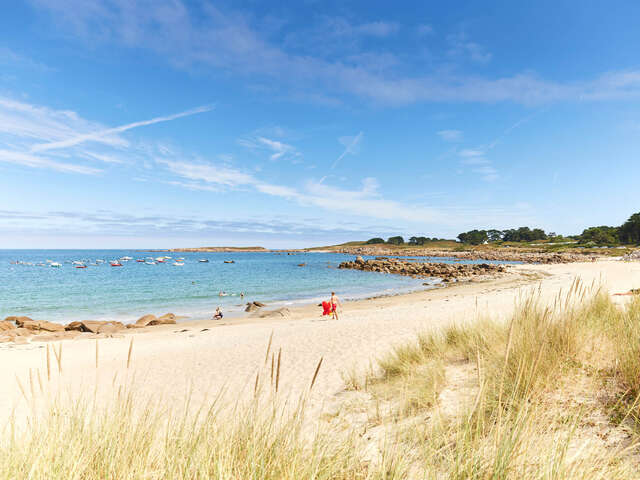
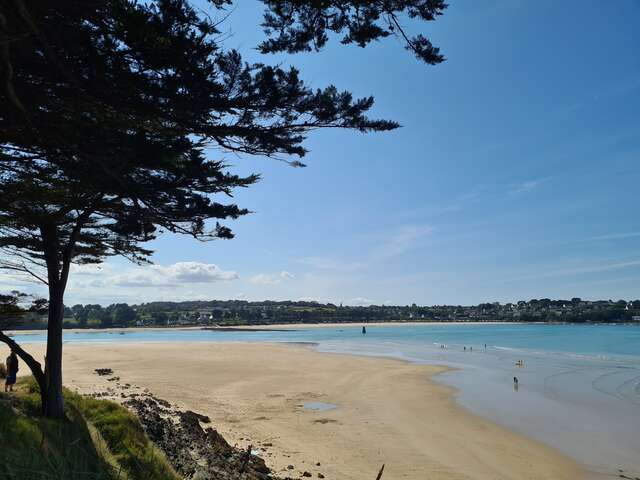
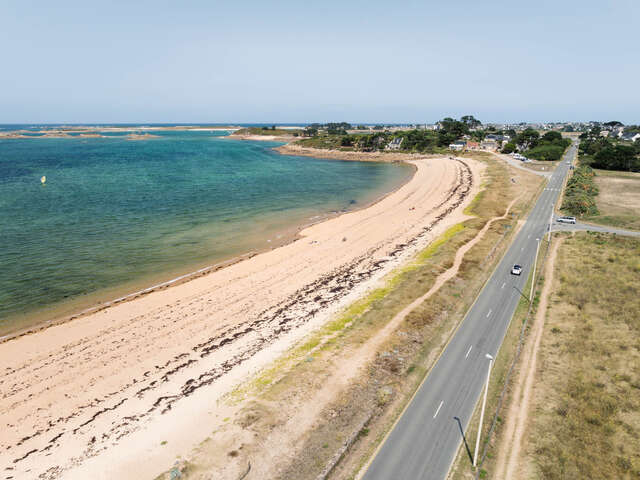
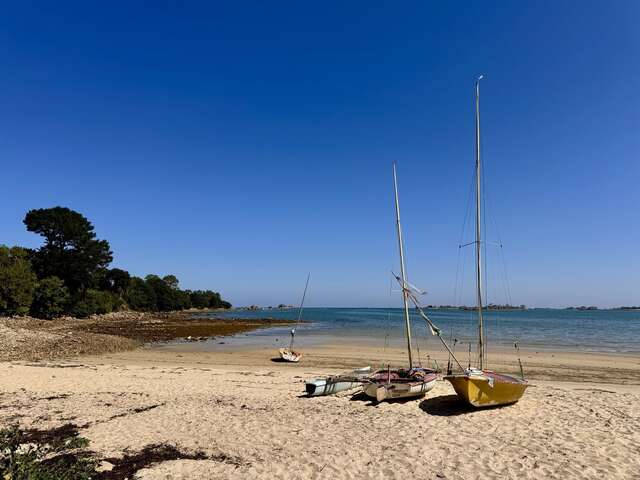
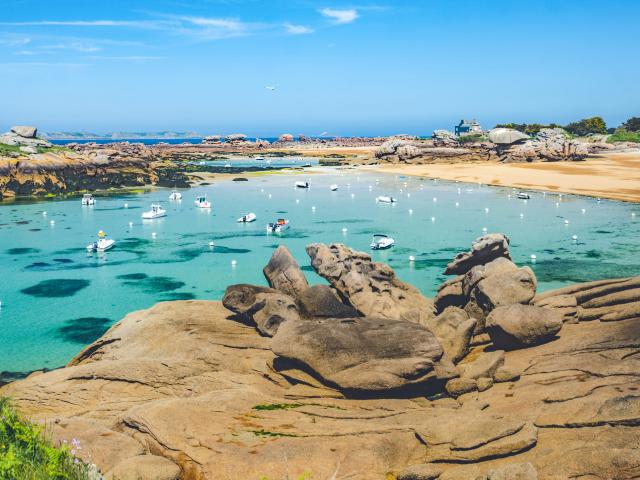
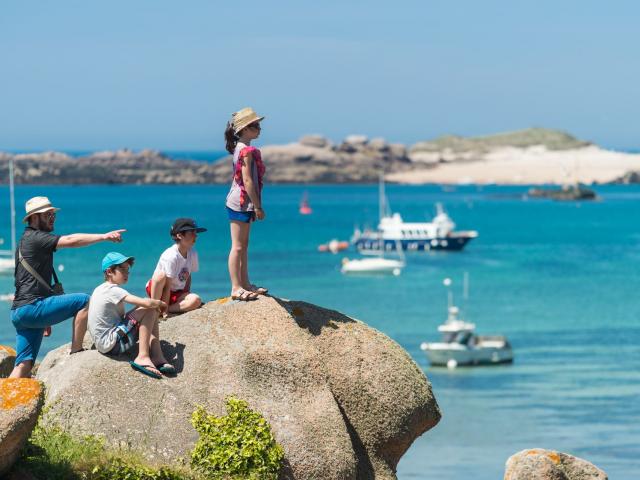
On the Pink Granite Coast, the sea reshapes the landscape roughly every six hours. At low tide, it reveals the foreshore, the rocks and vast stretches of sand. At high tide, it recedes to the foot of the granite outcrops and transforms the views. This natural movement is caused by the gravitational pull of the Moon and the Sun on the Earth. In Brittany, there are generally two high tides and two low tides each day. When the tidal coefficient exceeds 100, spring tides occur. It’s an opportunity to see the coastline in a different light, to go shellfish gathering or to capture an unexpected play of light on the pink rocks. Where can you admire the spring tides on the Pink Granite Coast? How can you understand the tidal coefficients and enjoy the spectacle in complete safety? We’ll explain everything.

Brittany between high and low tide

What could be more fascinating than watching the sea recede, only to return a few hours later? On the Pink Granite Coast, this marine ballet, governed by gravity, shapes an ever-changing landscape.
Sitting on the sand, everyone has wondered at some point why the sea advances and then recedes, day after day. The answer lies in one word: gravity. The moon exerts a gravitational pull on the oceans, reinforced by that of the sun depending on their positions. This movement, observable along the Breton coastline, takes on spectacular proportions during spring tides.
The Sun meets the Moon

Spring tides occur around the new moon and the full moon, when the Earth, the Moon and the Sun are almost in a straight line. Their gravitational forces then combine. Consequently, because of (or thanks to!) this, the difference between low tide and high tide becomes greater, causing the landscape to change throughout the day and depending on each section of the coastline.

What is the tidal coefficient?

Don’t worry, there’s no need to get your calculator out! The tidal range measures the amplitude of the tidal cycle, i.e. the difference in height between low tide and high tide. It ranges from 20 to 120: the higher the coefficient, the further the sea recedes and the higher it rises. Above 100, it’s known as a spring tide: the spectacle then becomes truly breathtaking.

Breton cuisine shaped by the tides

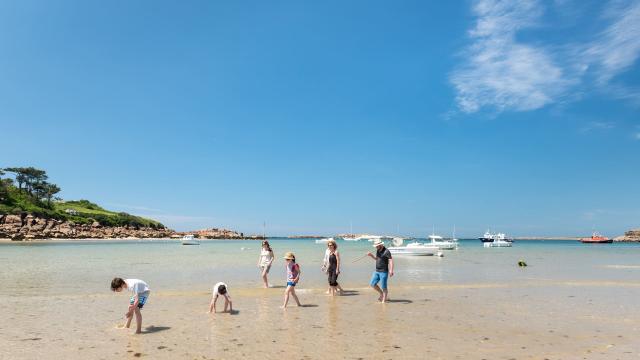
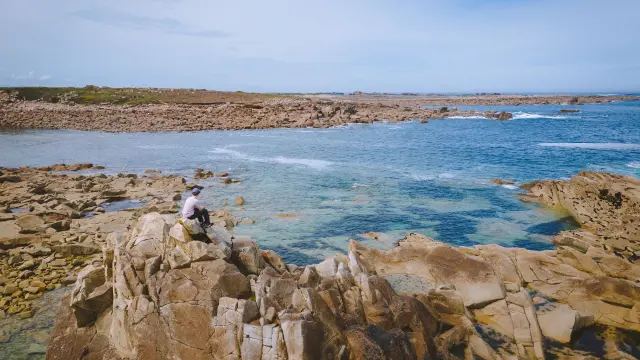
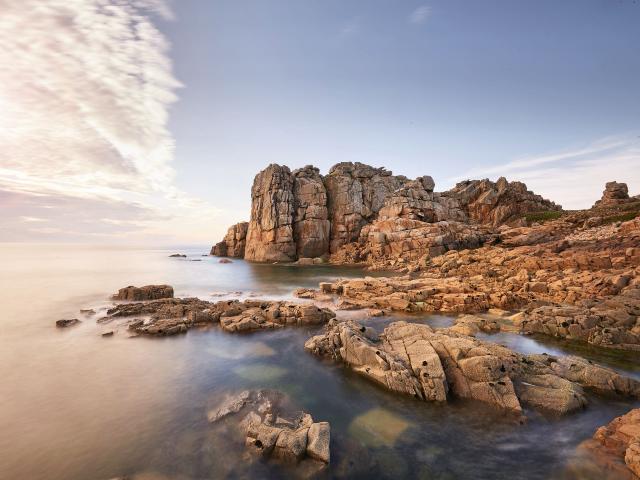
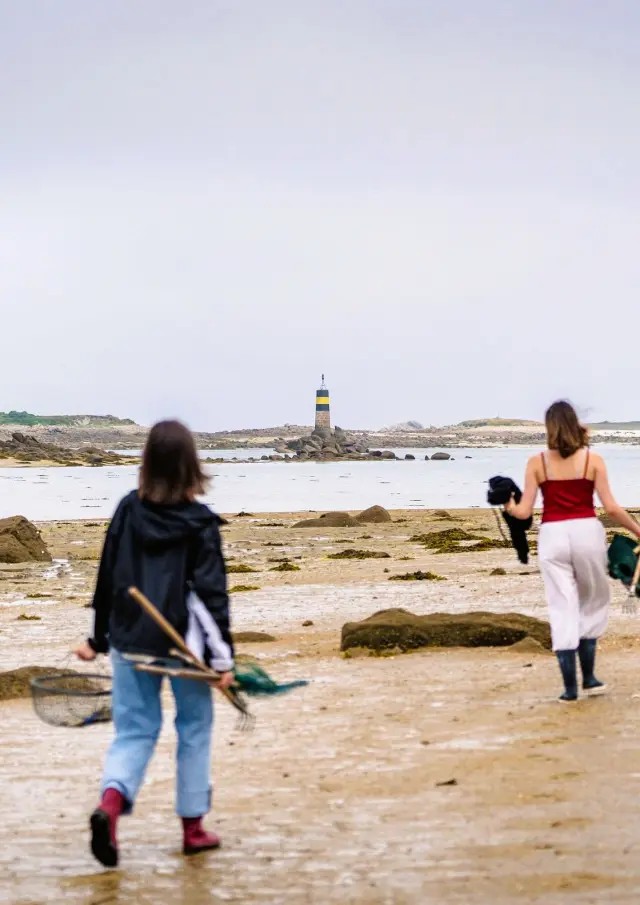
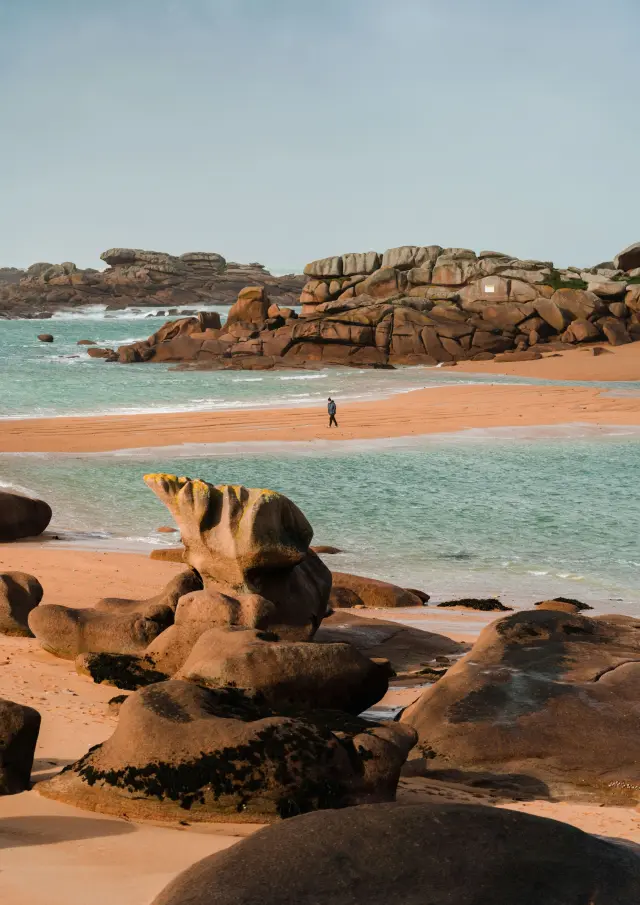
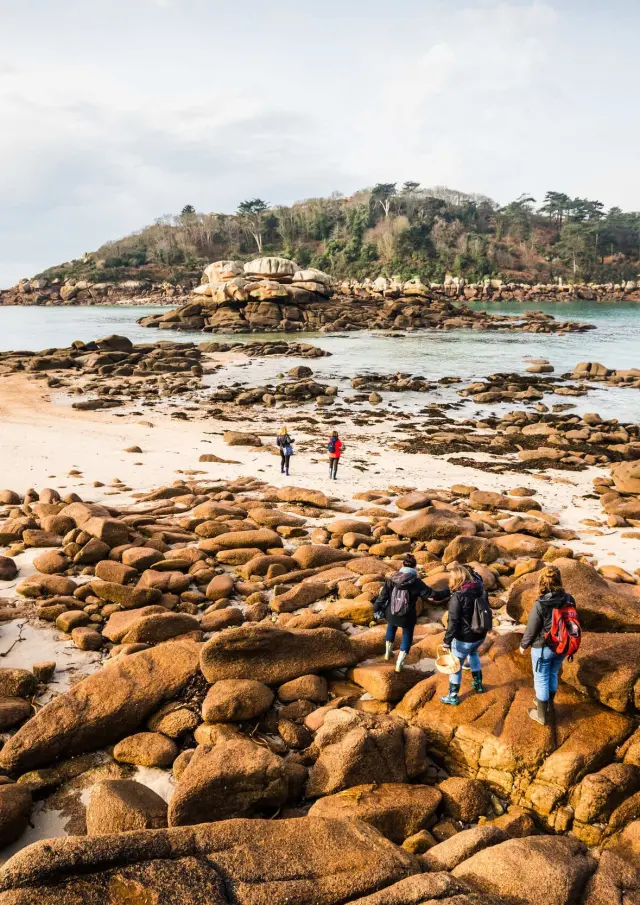
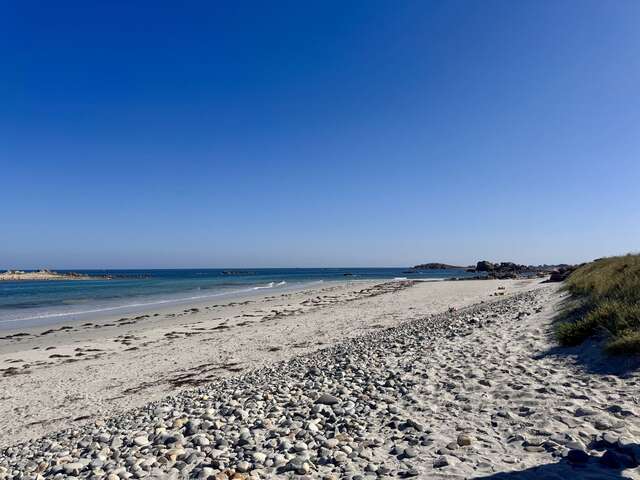
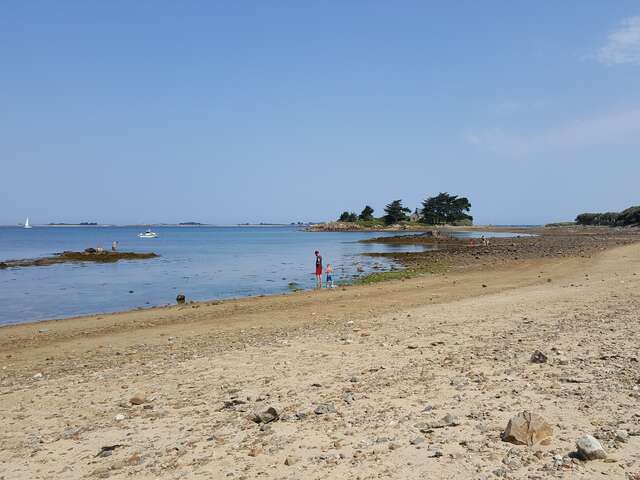
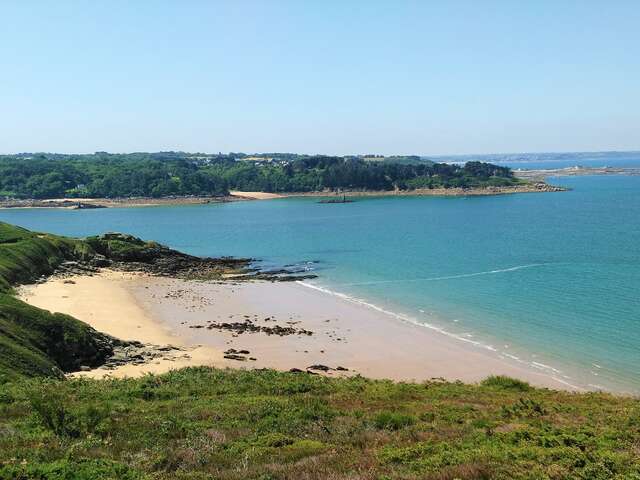
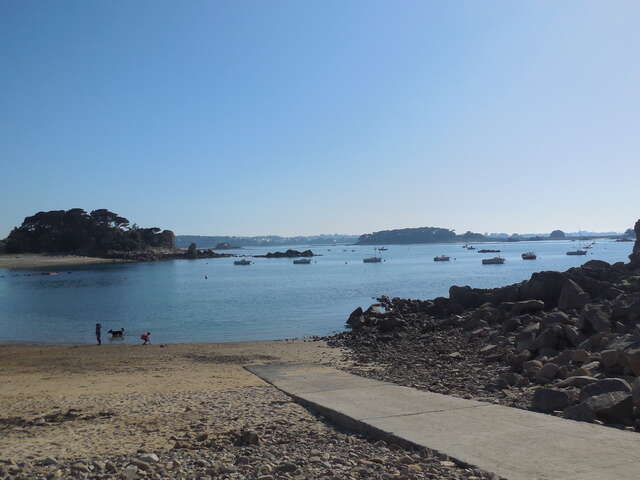
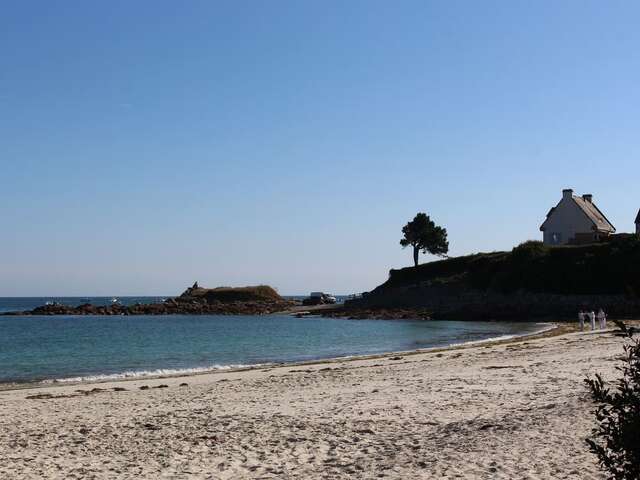
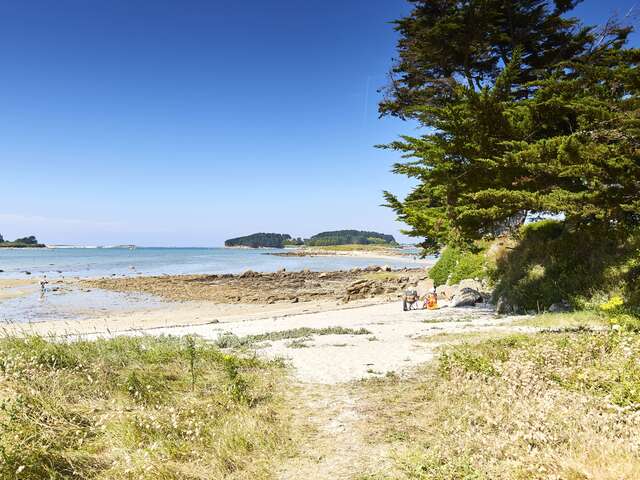
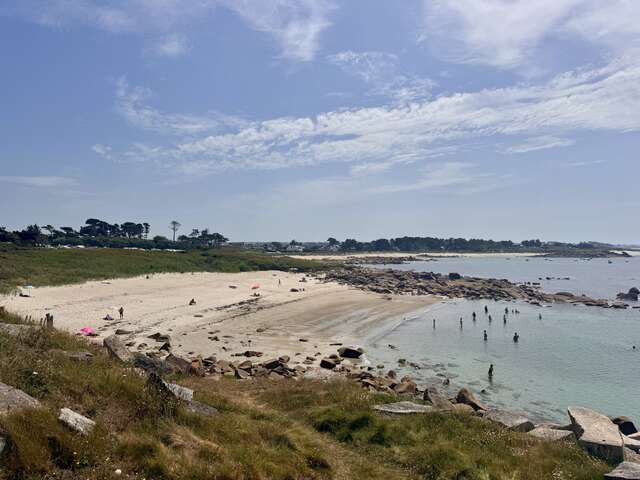
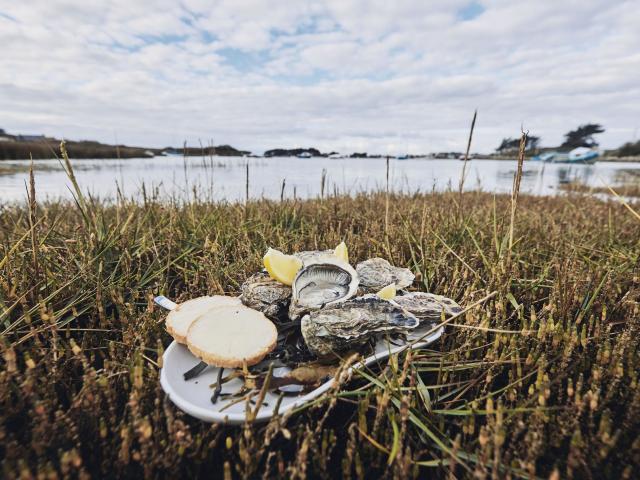
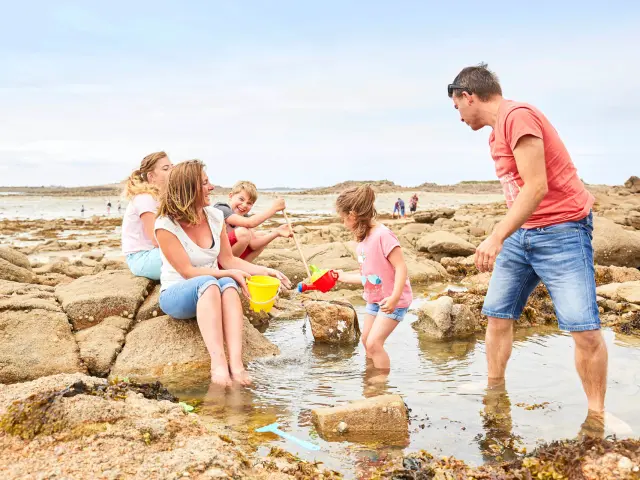
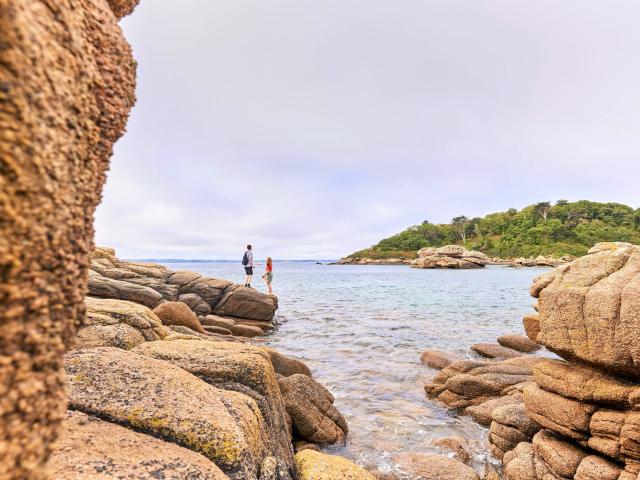
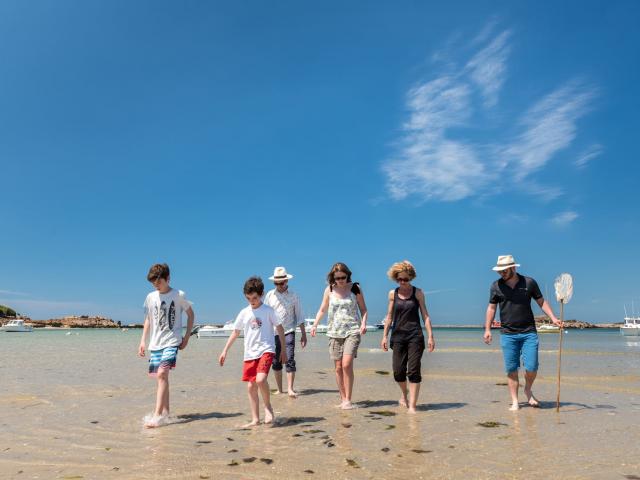
On the Pink Granite Coast, the spring tides gradually reshape the coastline in time with the tidal coefficients and the seasons. Each ebb tide reveals a different foreshore: sand, rocks and small pools come together to form a completely different landscape, giving the panorama a new look. For lovers of fresh produce, this is the perfect opportunity to try your hand at sustainable shore fishing: cockles, razor clams, periwinkles and velvet crabs reveal themselves beneath the rocks and in the sand, in the heart of a preserved marine environment.

Where can you admire the spring tides on the Pink Granite Coast?

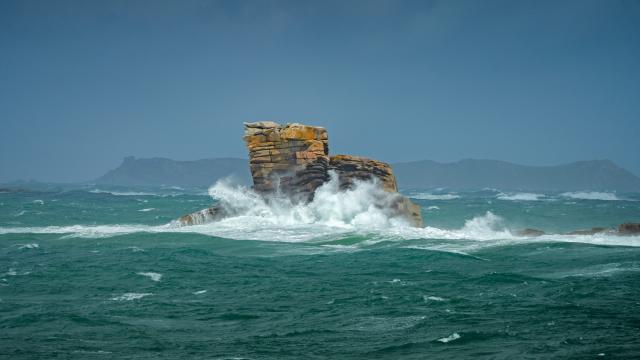
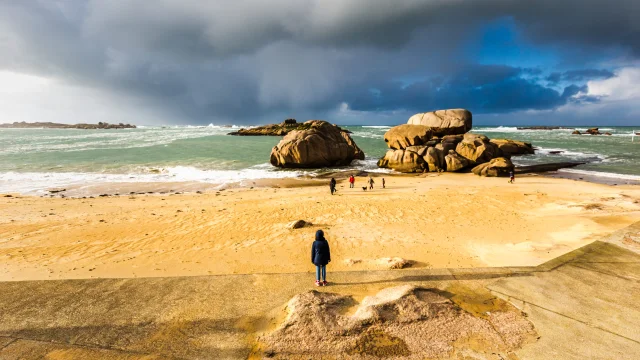
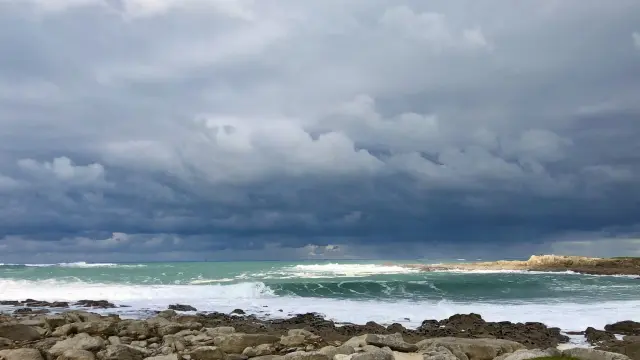
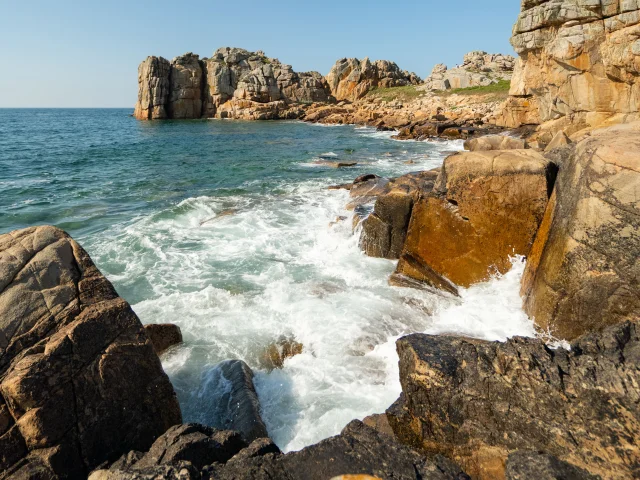
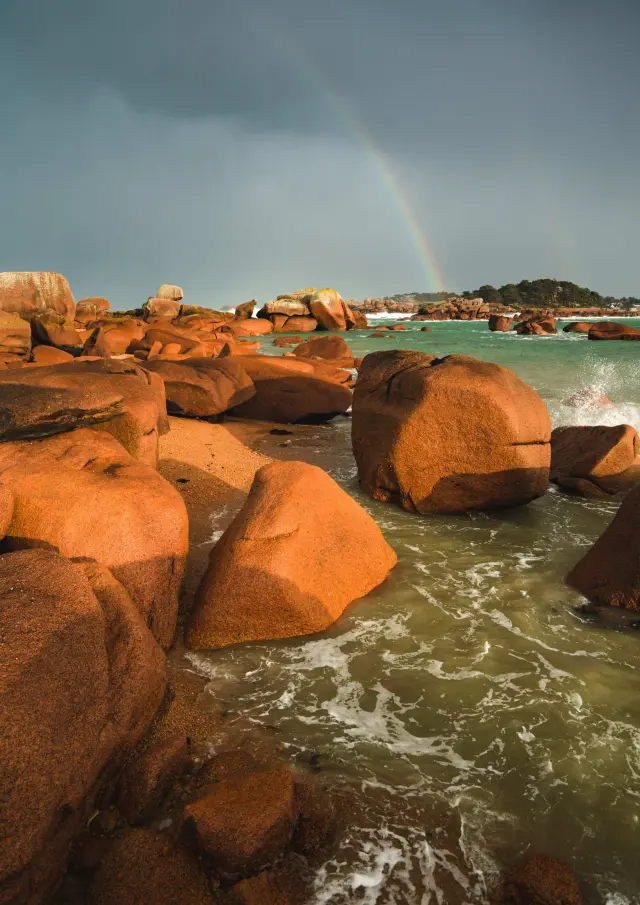
From Plestin-les-Grèves to Lézardrieux, the spectacle of the rising and falling tides is at its most spectacular, especially when a winter storm sweeps in along the Pink Granite Coast. At this time of year, I’d advise you to head up to the higher ground along the coast to watch huge waves crash against the rocks with a thunderous roar. Amidst the spray and the roar of the ocean, this natural phenomenon leaves a lasting impression on visitors, come summer or winter, along the coast of Brittany.

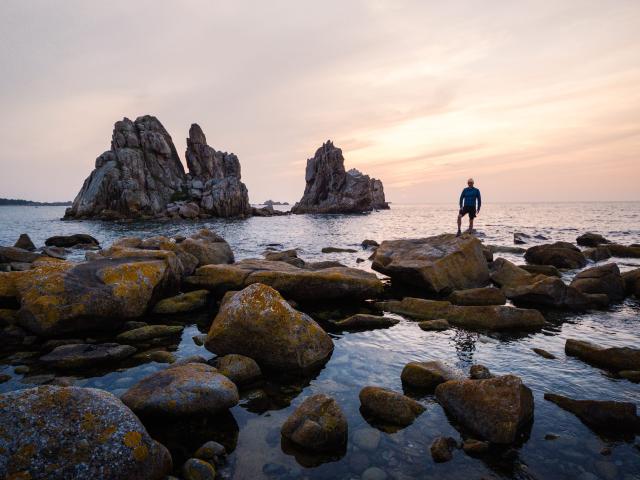
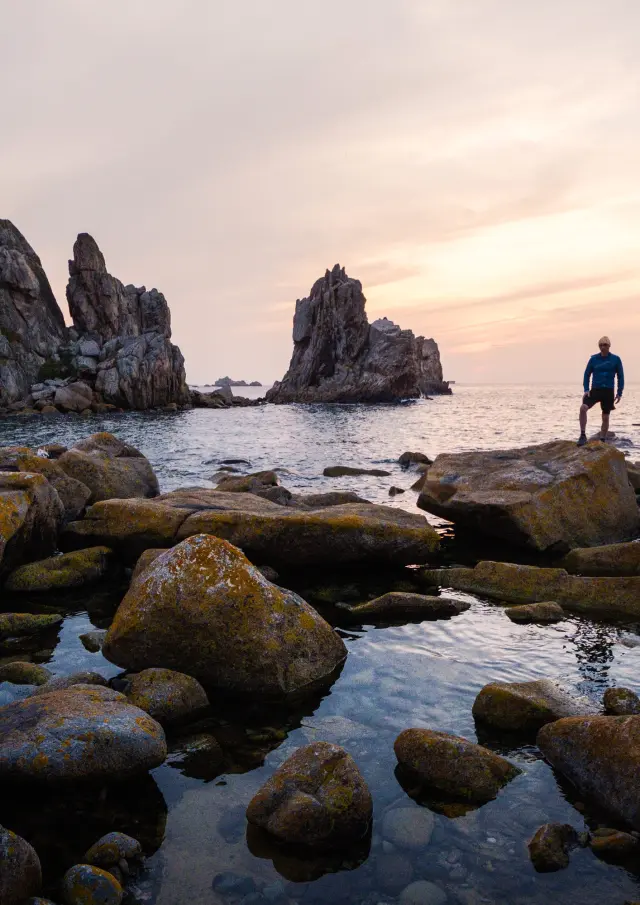
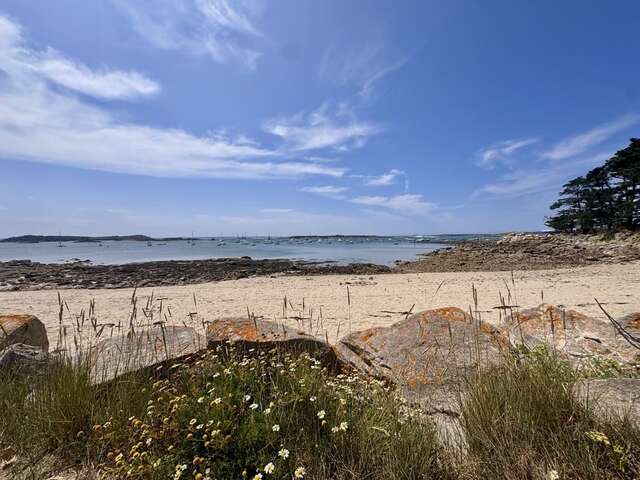
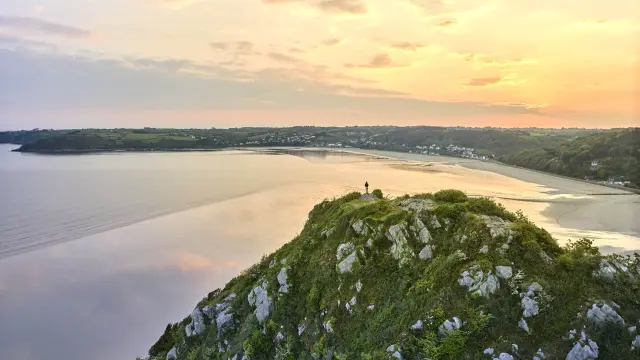
Here on the Granite Coast, at spring tides, as the sun sets, the golden light sets the pink granite ablaze whilst the foreshore is gently transformed!

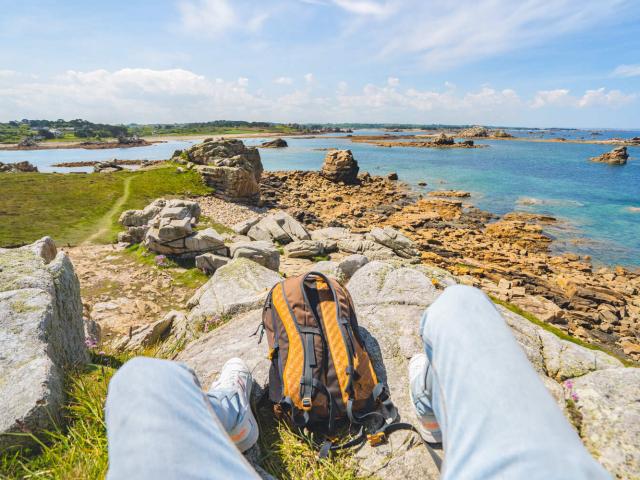
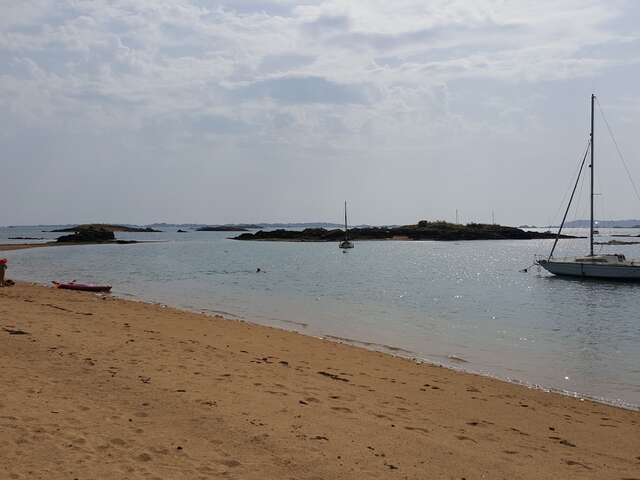
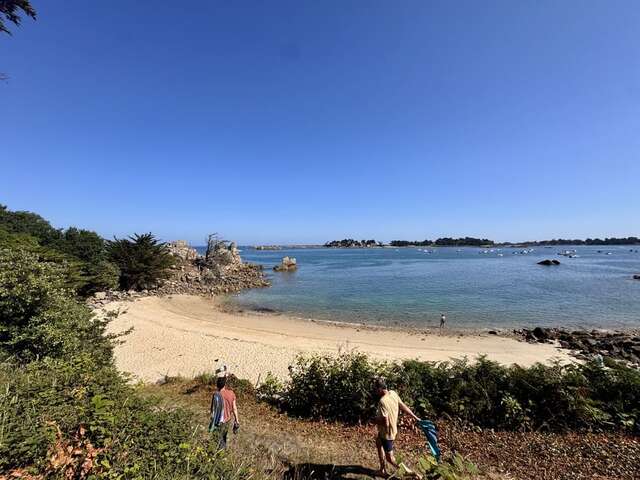
During my weekend in Brittany, I discovered the Pink Granite Coast at the time of the spring tides. In the space of a few hours, the beach had completely changed beyond recognition. The sea had revealed vast stretches of sand, rocks and paths that are usually submerged. Here are three places I particularly love for observing this natural phenomenon and making the most of the scenery.

Maxime

Castel Erek

A landscape shaped by the tides

Île Grande

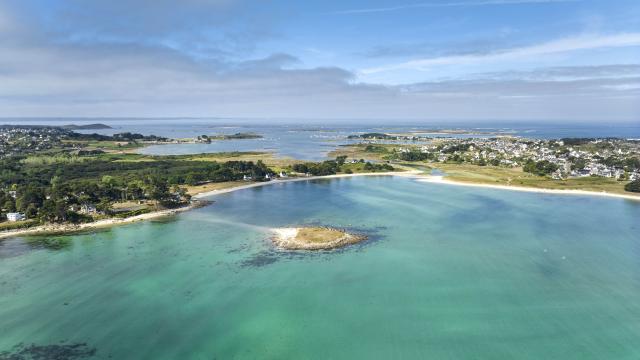
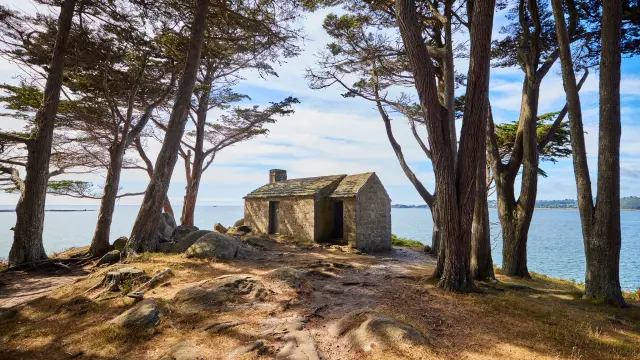
On Île Grande, the tides, colours and light combine to create an ever-changing landscape. Situated in the north-west of the island, Castel Erek opens out onto a rocky foreshore home to flora and fauna adapted to the rhythms of the sea. Seabirds accompany walkers along the GR® 34: the customs officers’ path. Exposed to the swell, the shore also bears the marks of the waves, with its many large pebbles.
This coastline has been shaped over time by the wind, water and tides. From the path, the view opens out widely onto the sea and the islands. On a clear day, you can make out the Sept-Îles archipelago, Milliau Island and, further out to sea, the Triagoz Islands.

Castel Meur

On the Brink

 Plougrescant

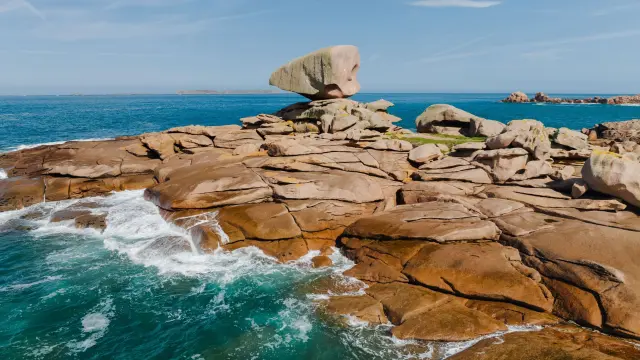
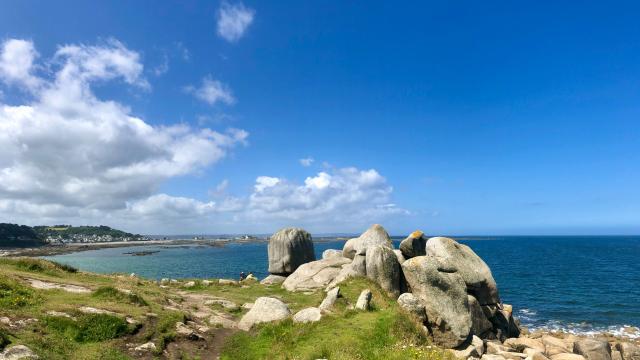
Around the Plougrescant Chasm, the coastline is characterised by reefs, headlands and rocky outcrops. This unique landscape opens out onto an area once known as the ‘Bay of Hell’, due to its reefs, the swell and the sometimes challenging conditions faced by sailors.
The wind, waves and currents have shaped this shoreline. The accumulation of pebbles has created sandbars and tombolos, visible at low tide. The site offers a glimpse of the sea’s impact on the landscape: a walk to understand how the spring tides shape the coast.

La Pointe du Dourven

between tides and strategies

Trédrez – Locquemeau

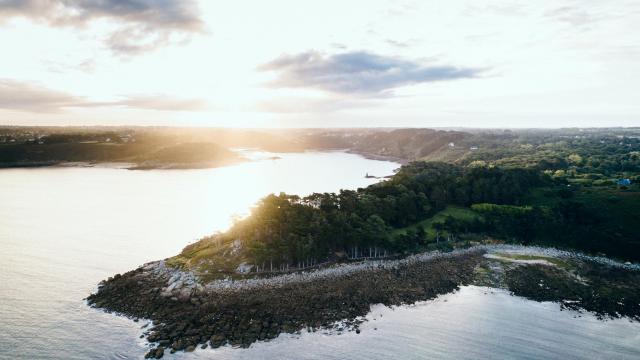
Marking the southern entrance to the Léguer estuary, the Pointe du Dourven is a rocky promontory covering nearly 43 hectares. This sensitive natural area, owned by the department since 1974, consists, in its natural state, of coastal moorland and cliffs, with granite boulders at their base. This site was once an important strategic location, serving in particular as a coastal watchpost against the English in the 18th century.
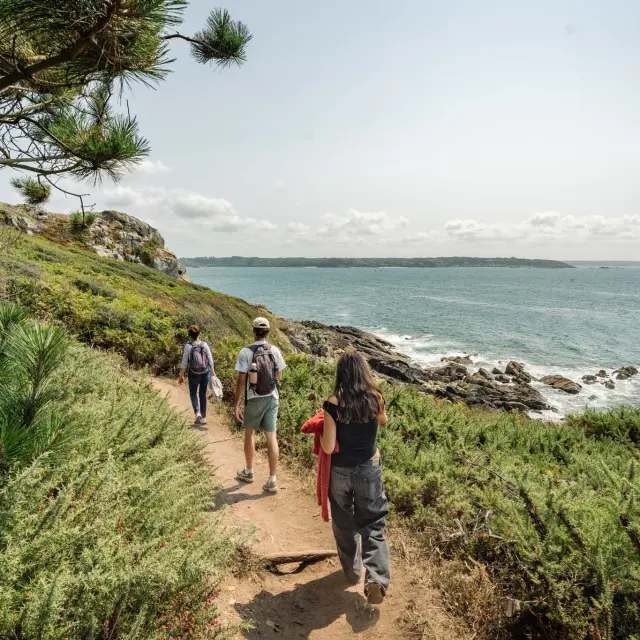
Today, the footpaths invite visitors to stroll through the woodland and take in the sea views. Here, the flora flourishes undisturbed, come rain or shine (literally!).

Keep a close eye on the spring tides

Tide times change every day and vary depending on the location. Before heading to a beach, an island accessible on foot or a fishing area, check the forecasts specific to your chosen location.

Some key points to bear in mind:

  • Check the times of low and high tide.
  • Check the tidal coefficient, water level and weather forecast.
  • Start making your way back before low tide.
  • Always keep an eye on the channels, which can fill up quickly.
  • Don’t set off alone in an area you’re unfamiliar with.
  • To observe the waves, stay on high ground and well away from the shore.
  • Respect protected areas and put any stones you’ve knocked over back in place.
  • In an emergency, dial 196.

Spring tides in Brittany

Frequently asked questions

Organise your visit

for a successful stay