Meandres Du Guindy Simon Pouyet
©

Meandres Du Guindy Simon Pouyet

|

Simon Pouyet

Green travelA stroll along the riverbank

Top 5 riverside walks

Ajouter aux favoris

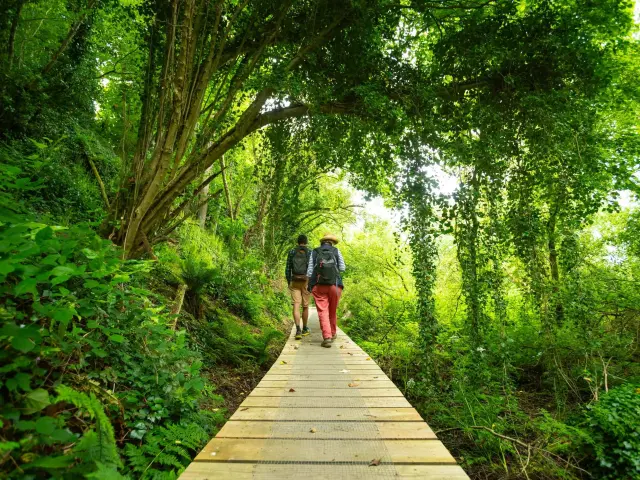
Fancy slowing down as you follow the water’s course? Explore the most beautiful riverside walks on the Pink Granite Coast. From the Léguer, designated a ‘Site Rivières Sauvages’, to the estuaries of the Trieux, Douron, Jaudy and Guindy, discover our selection of five unmissable walks. Amidst wooded valleys, estuaries, heritage sites and birds, each trail reveals a gentle, wild Brittany full of surprises.

Le Guindy

Plouguiel

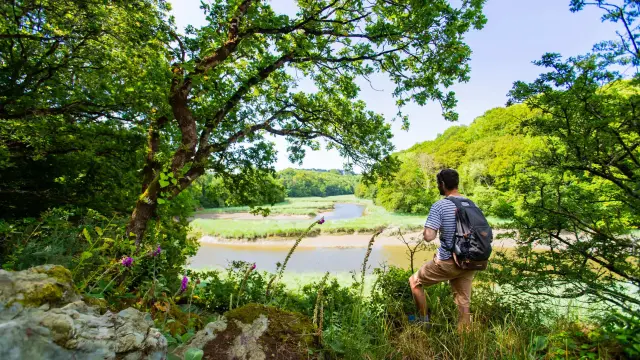
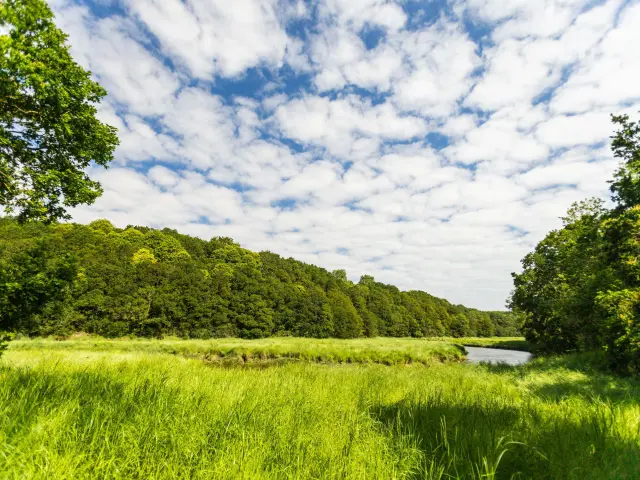
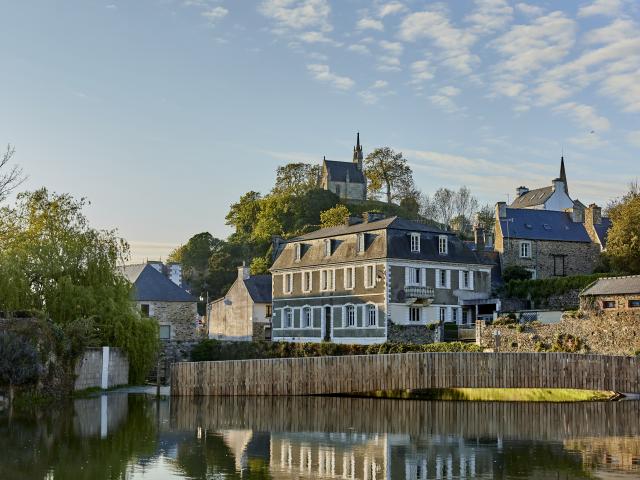
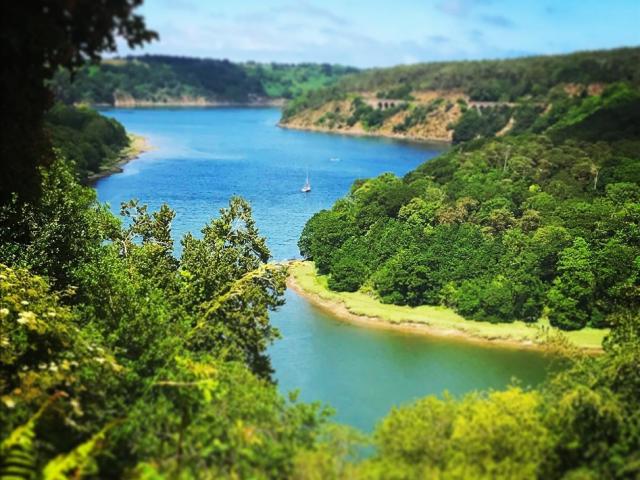
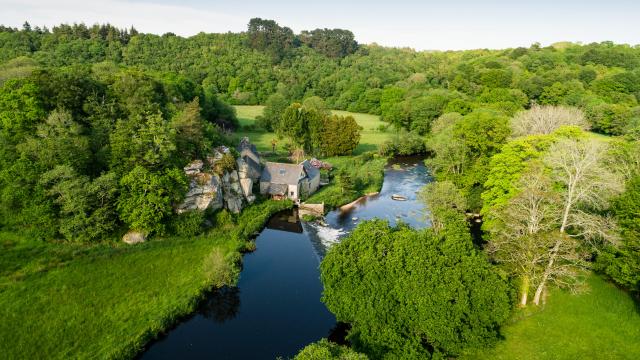
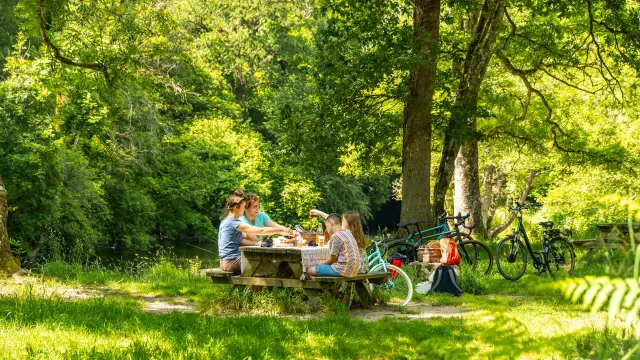
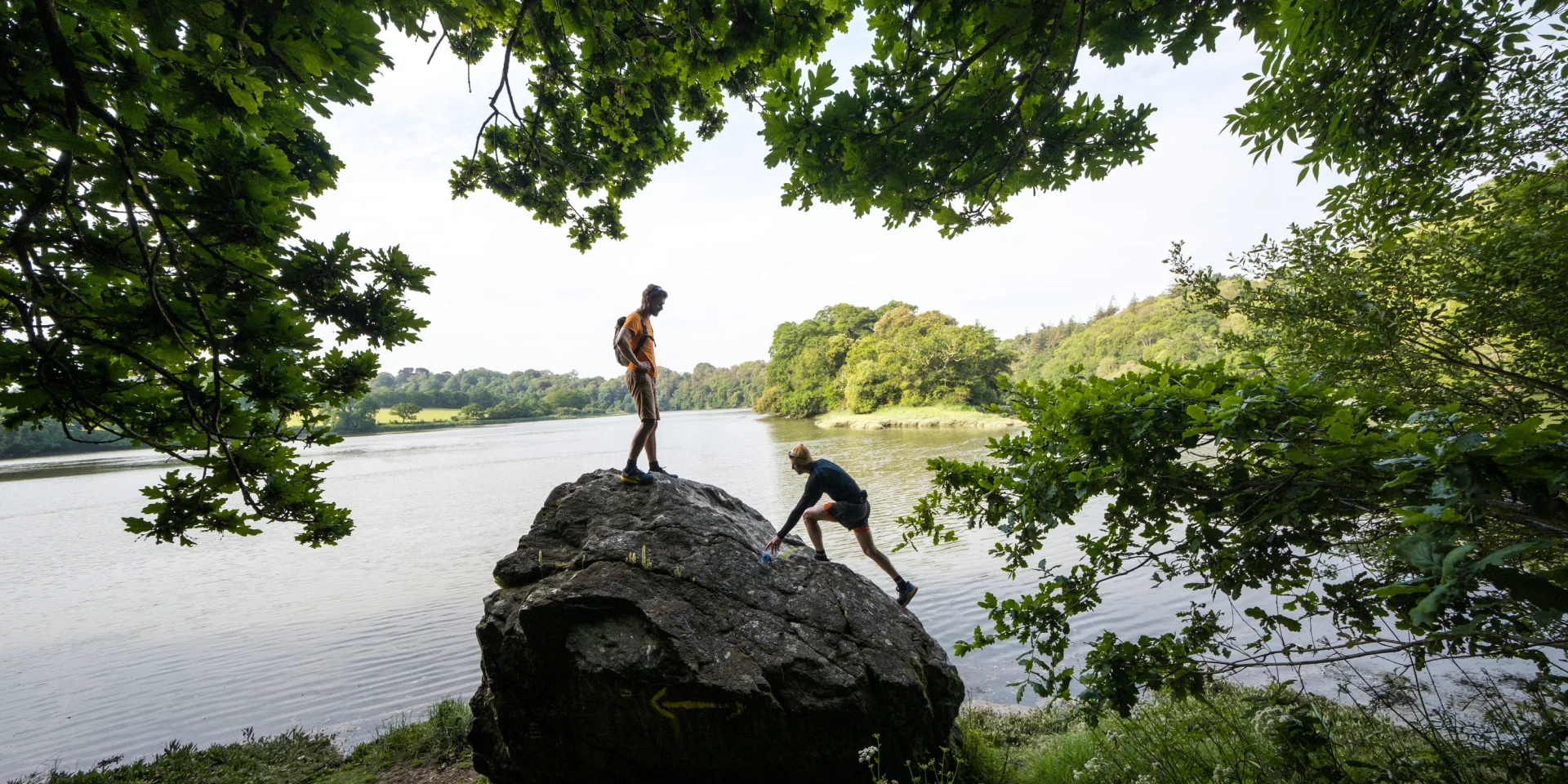
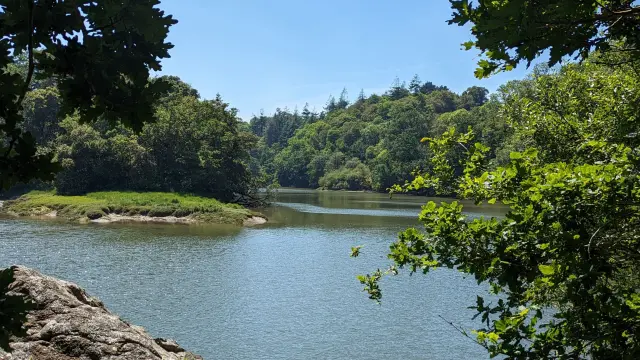
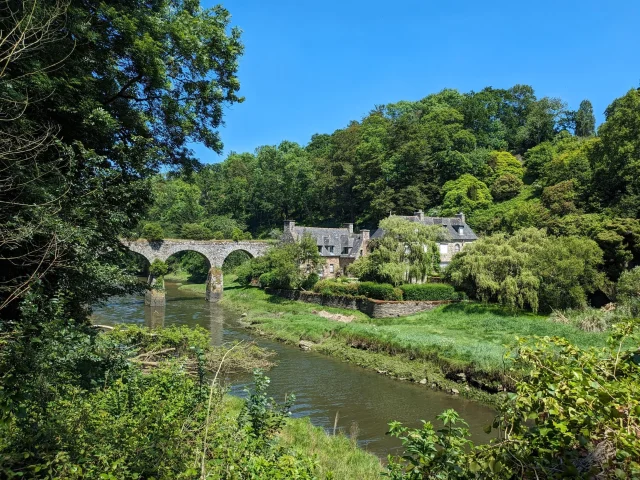
Just a stone’s throw from Tréguier, the wooded banks of the Guindy offer walkers a soothing atmosphere, perfect for unwinding and birdwatching, as birds enjoy the tranquillity of its wide meanders – shaped by the ebb and flow of the tides – to rest. Along the way, a few heritage highlights punctuate the walk, starting with the impressive Guindy Aqueduct – also known as the Bishop’s Aqueduct – which spans the river with its eight arches.
Did you know?

The aqueduct, built in the 17th century, has been listed as a historic monument since 1931!

Following the course of the Douron

Plestin-les-Grèves

The mouth of the Douron marks the border between the Côtes-d’Armor and Finistère. The valley floor offers a magnificent footpath that follows the course of the river as it flows into the estuary. Don’t miss the little haven of Saint-Haran, and take the time to get out your binoculars to watch the ballet of waders and river birds. Further on, at the tip of Armorica, the Gallo-Roman ruins of Hogolo offer a remarkable view over Locquirec Bay, where the Douron finally flows into the sea.

Did you know?

The Gallo-Roman site at Hogolo was discovered in 1892 and restored at the end of the 20th century

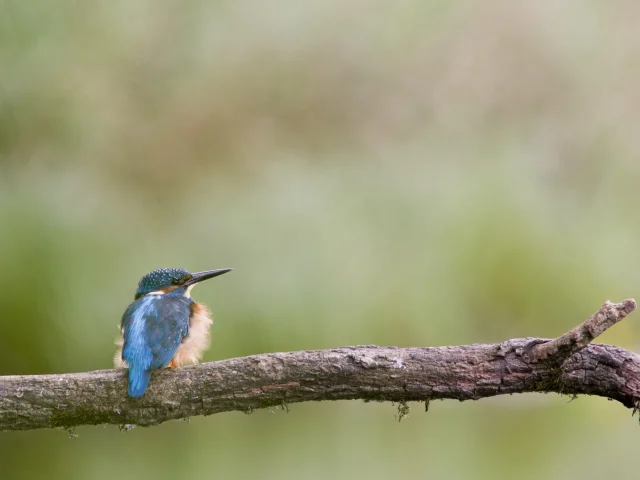
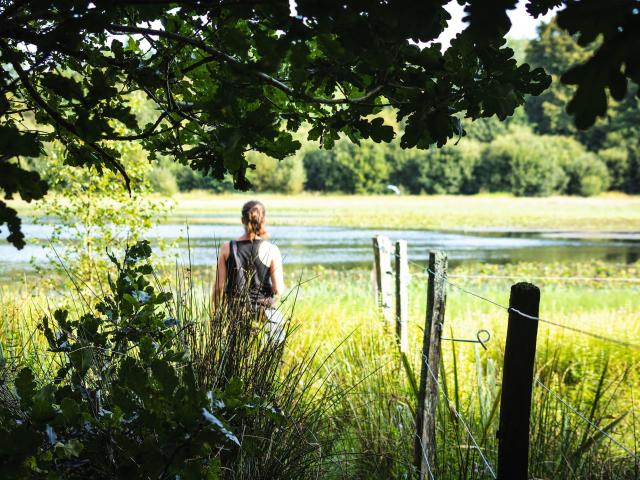
A lovely walk in the countryside – the light was stunning! I even spotted a heron, some egrets and a kingfisher!

Stephanie

The Léguer, a Wild River

Plounevez-Moëdec

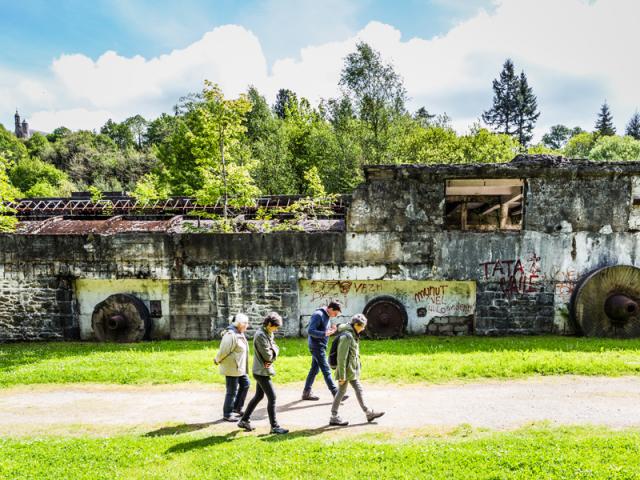
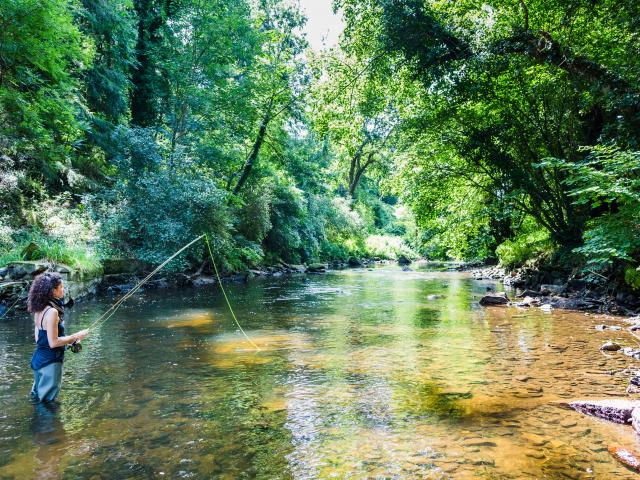
If there’s one river that offers a wealth of opportunities for walks along its banks, it’s undoubtedly the Léguer! As you walk, a rich and varied landscape unfolds: old mills, fountains, chapels and manor houses dot the route, bearing witness to a particularly rich architectural heritage. As you head upstream, the valley deepens, the scenery changes, and you can discover the ‘valley of the paper mills’, a remarkable natural site where you can explore its turbulent history…

Did you know?

The Léguer is the first river in western France to have been awarded the ‘Site Rivières Sauvages’ label!


Le Jaudy

La Roche-Jaudy

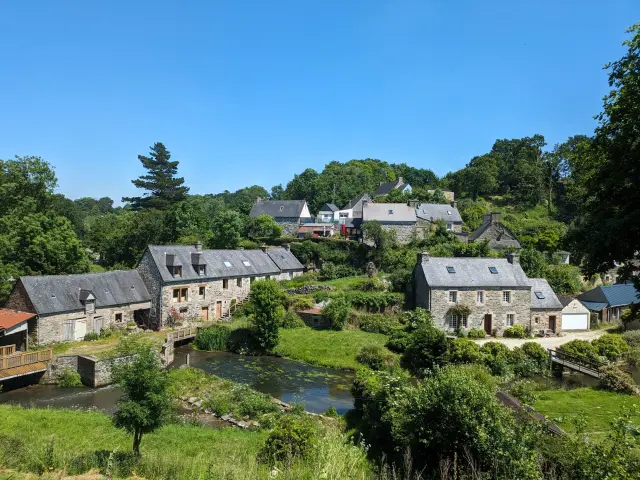
With its wide estuary, the Jaudy was for a long time a favoured route to the sheltered harbours of Tréguier and La Roche-Derrien. The latter, which no longer exists, played a key role in the cultivation and trade of flax. Old mills dot the route, bearing witness to the vital role the river once played in the local economy. From the ‘Petite Cité de Caractère®’, head upstream towards a valley that has returned to its wild state, which still bears traces of the old flax-scutching mills.

Did you know?

If you look closely, you might spot the elusive European otter


The Trieux Estuary

Lézardrieux

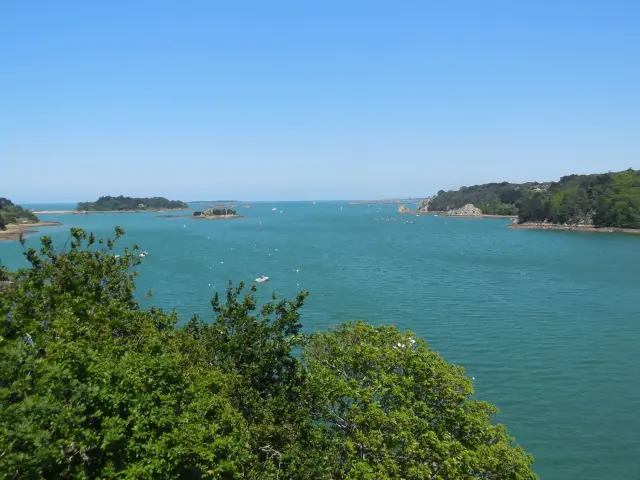
This wide estuary with its wooded banks is home to many treasures, such as the Anse du Lédano or the Château de la Roche-Jagu and its panoramic view over the meandering Trieux. From its mouth, the Trieux flows with the rhythm of the tides and offers magnificent scenery, such as the hamlet of Kermouster and the Bodic lighthouse. A peaceful stroll through unspoilt nature, maritime heritage and panoramic views that gradually open out onto the sea.

Did you know?

Pommelin Bay, in the heart of the estuary, is a favourite resting place for many birds

And much more

on the Pink Granite Coast
Sur la Côte de Granit Rose, une nature grandiose et protégée

Be at the top

the top of the Pink Granite Coast