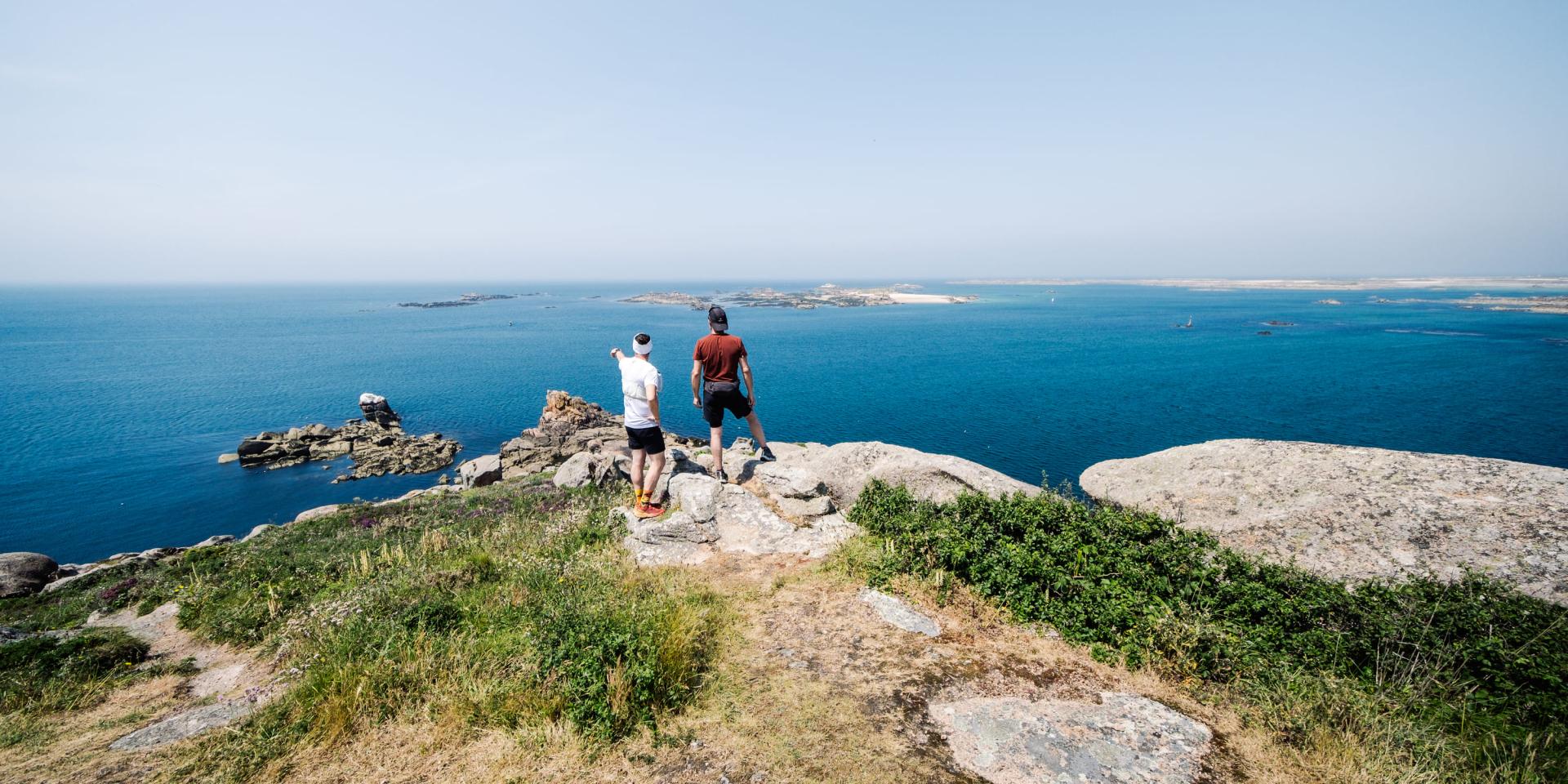
Milliau Island view Simon Pouyet
©

Milliau Island view Simon Pouyet

|

Simon Pouyet

Green travelThe top 10 natural sites

Natural sites in Brittany: our top 10 must-see spots on the Pink Granite Coast

Whether by the sea or inland, Brittany’s natural beauty is second to none! For your next holiday on the Pink Granite Coast, why not focus on the essentials whilst exploring our most beautiful natural sites? From marshes to woods, via cliffs and dunes, the flora of our destination is sure to surprise you. And the same goes for its wildlife, which secretly inhabits these places… Some are designated as regional or even national nature reserves and have been awarded the ‘Remarkable Site of Brittany’ label, in recognition of the richness of their natural heritage. Ready to be amazed? Follow the guide – we’ll take you on a journey through our 10 natural sites.

1. The Renote Peninsula

Trégastel

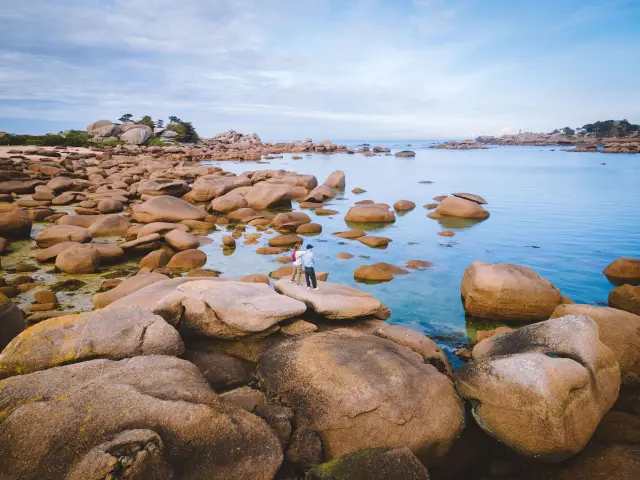
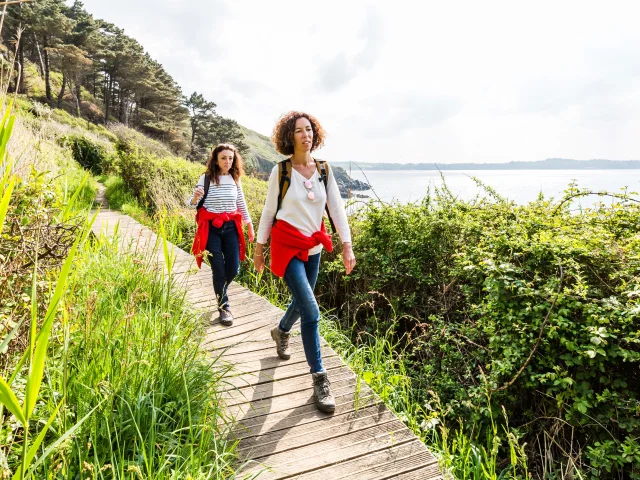
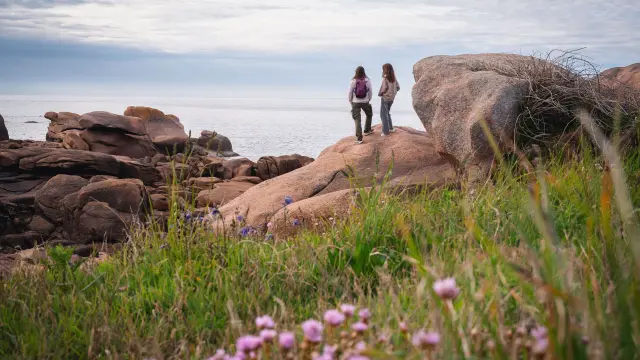
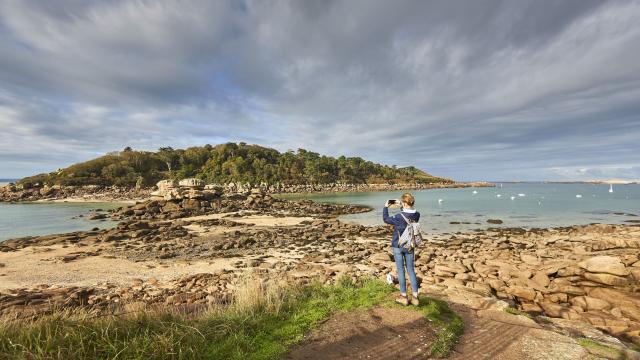
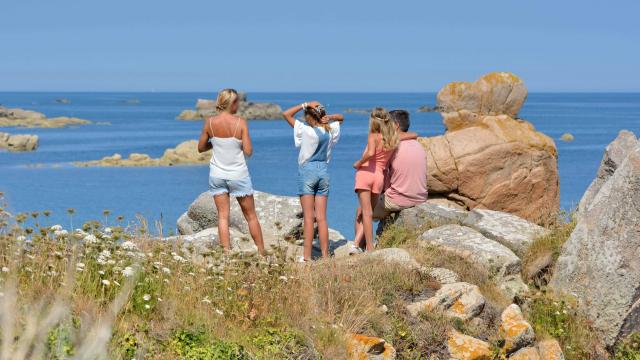
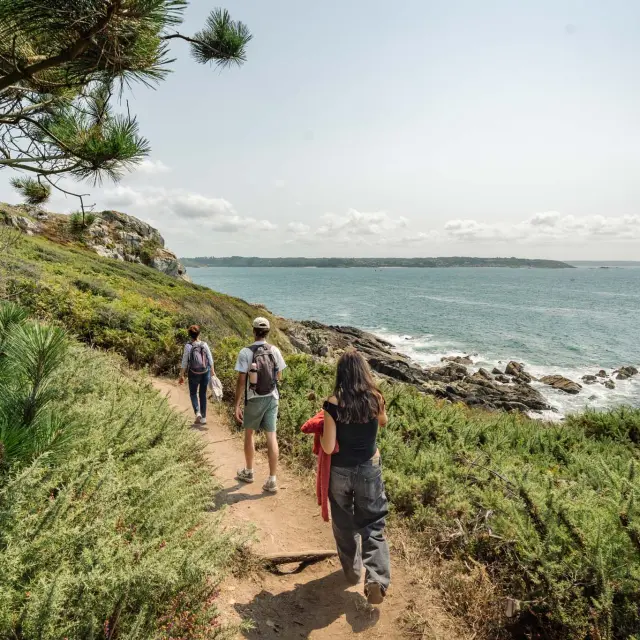
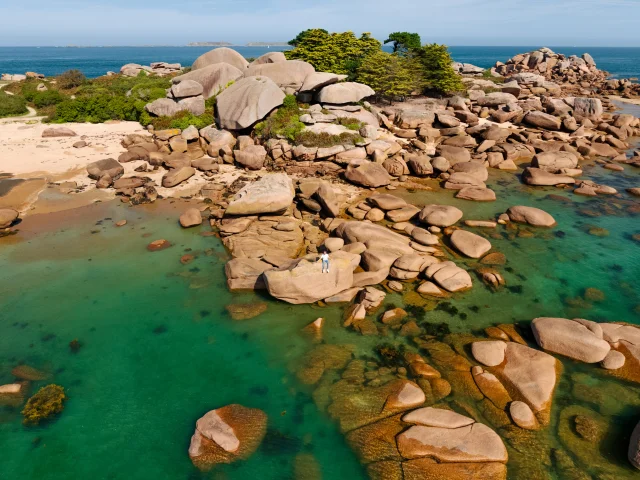
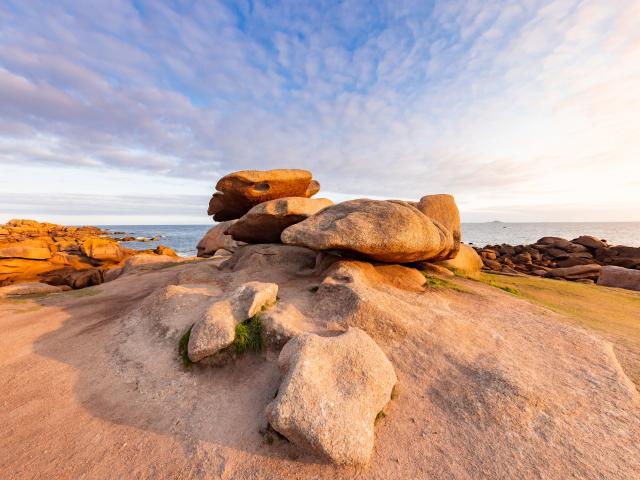
To start with, head for one of Brittany’s most beautiful walks: welcome to the Renote Peninsula in Trégastel (or Enez Rennod in Breton). Here, follow the signposted GR34 trail, which takes you round the peninsula in about 45 minutes. It’s a chance to admire local landmarks such as the Tête de Baleine, the Rocher du Dé and the Boule… which are simply granite boulders with bizarre shapes, sculpted by the wind, frost and rain. Enough to spark the imagination of young and old alike as you stroll along. And when it comes to panoramic views, the peninsula certainly doesn’t disappoint, offering views of the Sept-Îles to the north, the Ploumanac’h coast to the east and Sainte-Anne Bay to the south. It’s the moment you’ve been waiting for: time to get out your picnic for a seaside lunch!
Did you know?

You don’t need to wait for low tide to get to the peninsula! It’s accessible at any time!

2. Castel Erek

Pleumeur Bodou

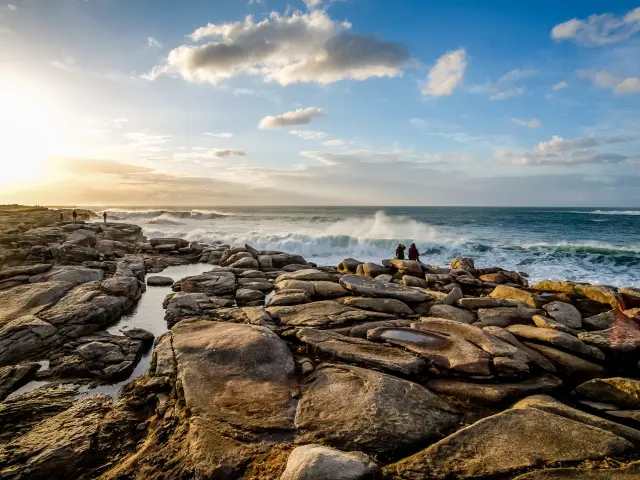
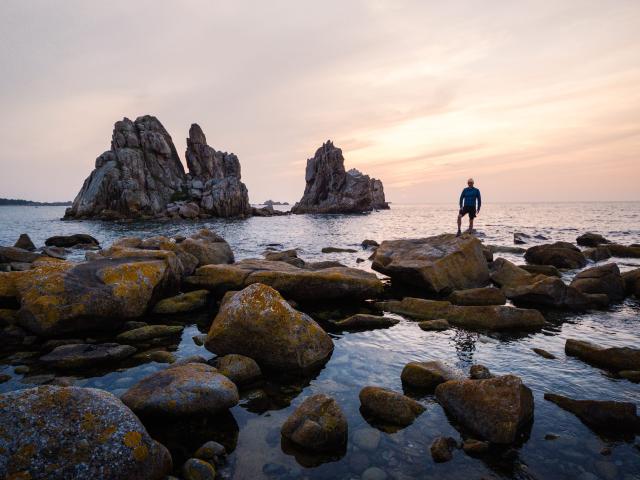
If you think of the coast, granite flanked by the English Channel and the gentle song of birds, we’ll say: Castel Erek! This Sensitive Natural Area in the Côtes-d’Armor changes its appearance with the ebb and flow of the tides. From one year to the next, you might well fail to recognise certain features due to the force of the swell! Yet another good reason to come back and stay with us for your next holiday… Keep your eyes peeled during your walk: wildlife (especially birds!) loves to nest in the various nooks and crannies of the site. The pied oystercatcher on the headland, the whinchat amongst the gorse and blackthorn in the moorland, and even a few grass snakes in the pools! A real little paradise for wildlife.

Why do we love it?

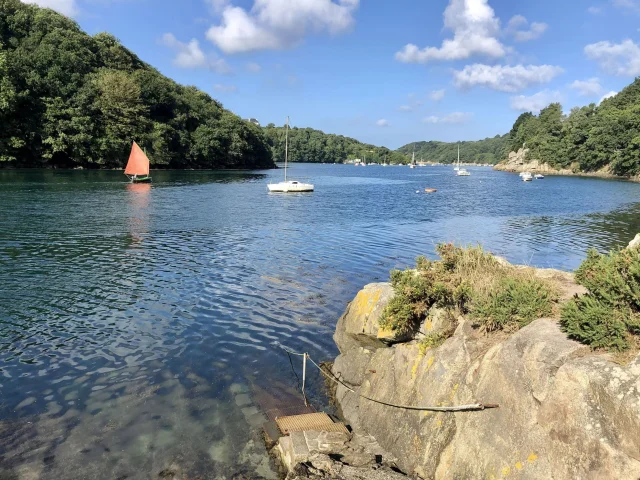
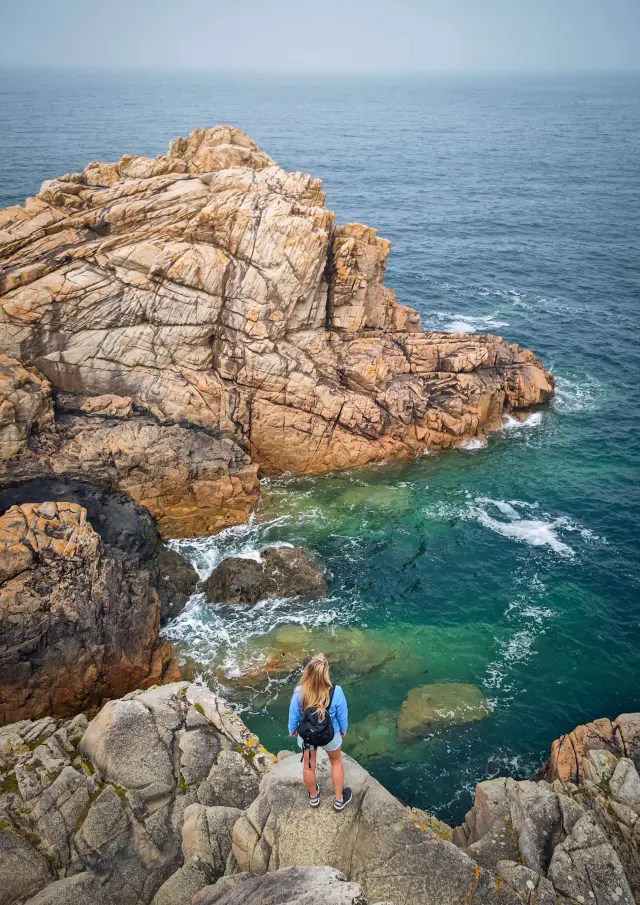
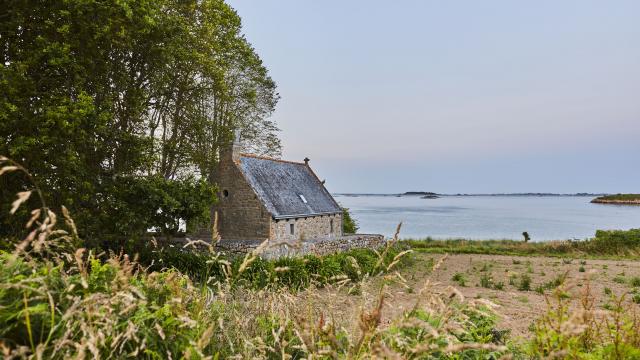
For this 180° panoramic view – a rarity on the coast! – which takes in the 7 Islands archipelago and Milliau Island in a single glance.


3. Talbert’s Furrow

Pleubian

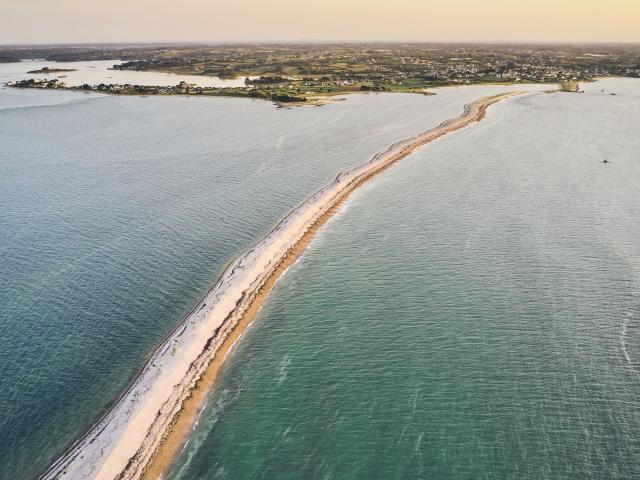
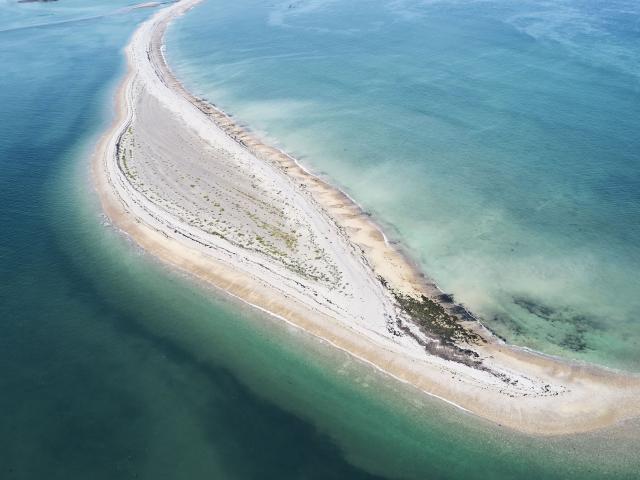
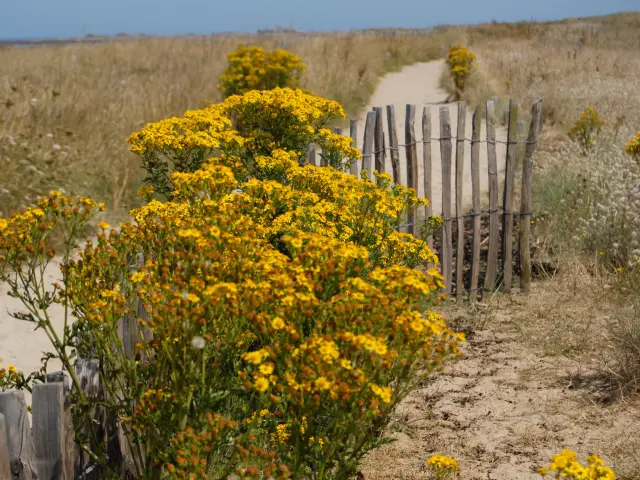
Just imagine: a coastal spit, made up of pebbles and sand, stretching 3.2 kilometres out to sea… We’re talking, of course, about the Talbert Spit! Designated a Regional Nature Reserve and recognised as a ‘Remarkable Site of Brittany’, this natural site is a true regional symbol and a geological curiosity unique in Europe. Birdwatchers, keep your eyes peeled! The furrow is an important site for migration and nesting thanks to its extraordinary flora. On site, over 100 plant species coexist – such as the blue thistle and sea cabbage – alongside seabirds that come here to nest. Between land and ocean, this fragile ecosystem is constantly shifting, offering a panorama that changes with the tides and the seasons.

Did you know?

A breach has formed in the Sillon since the winter of 2018, splitting the site in two at high tide.


4. The Plougrescant Chasm 

Plougrescant

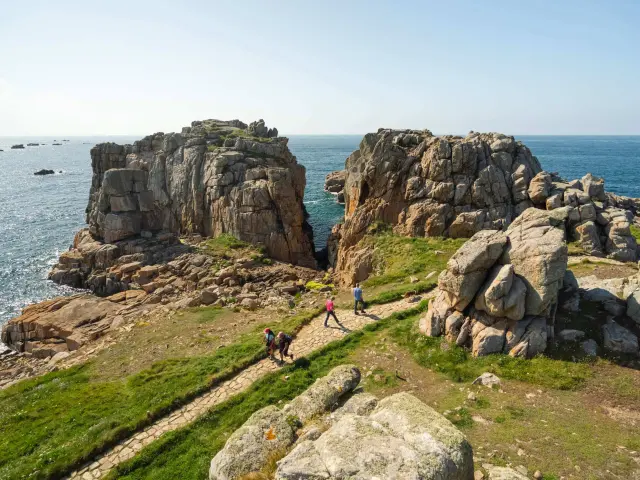
Brittany and geological wonders go hand in hand. And the Plougrescant Chasm would certainly agree! This vast chasm between two rocks was formed several million years ago by intense magmatic activity, combined with a great deal (and I mean a great deal) of water to carve it out. This process eventually created tombolos – long strands of pebbles linking the mainland to small islets. During a family walk, be sure to admire the site’s real star attraction: Castel Meur, the house nestled between the rocks. It was built in 1861 between two enormous granite boulders! It’s sure to impress the children.

Did you know?

Hidden amongst the pebble banks are two small brackish water lagoons!

Between the beauty of the granite and the sound of the seagulls, you don’t know where to look first! Luckily, I took some lovely photos of the scenery to remember it by. A must-see!

Elisabeth

5. The Beffou Forest

Loguivy-Plougras

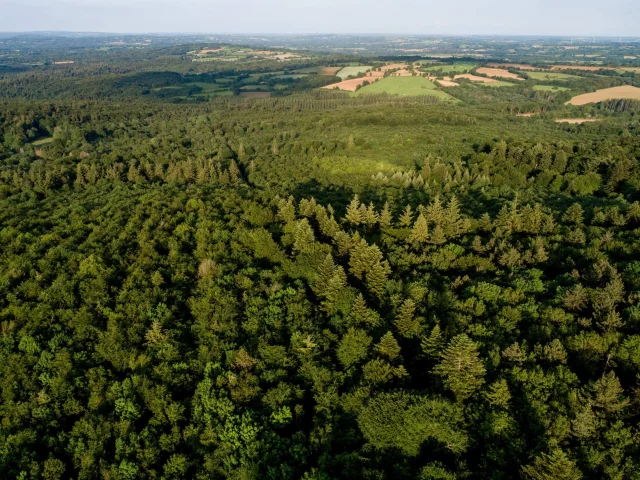
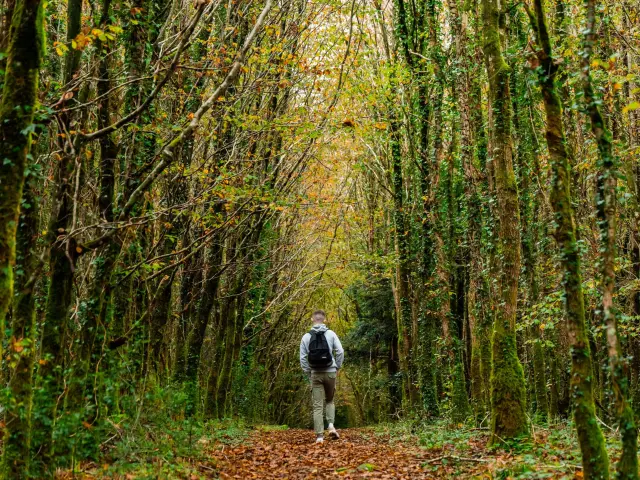
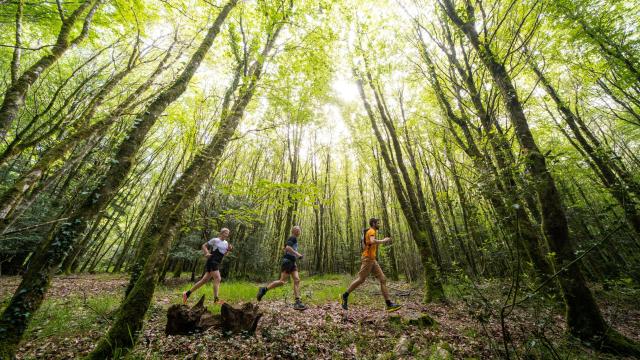
Welcome to Brittany’s highest forest: the Beffou Forest*! Here, centuries-old beech trees stand alongside oaks, chestnut trees and yews, in a woodland where wildlife thrives. Roe deer, red deer and birds hide in the woods, ready to surprise you! Whether you prefer walking, cycling or even horse-riding, this natural site can be explored however your family fancies. At 322 metres at the summit of Le Pavé, the Beffou Forest is the highest forest massif in Brittany… But be warned: it’s not the highest point! With their damp moors and rocky ridges rising to over 380 metres, the Monts d’Arrée hold that record.

*Beffou is thought to mean ‘the home of the beech trees’ in Breton.

Did you know?

Until the early 20th century, the forest was home to charcoal burners and clog makers! Today, the Job Trail tells their story.


6. The Moulin Neuf pond

Plounérin

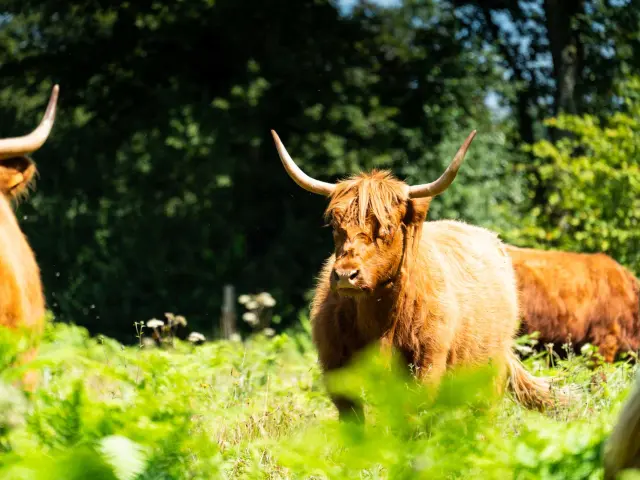
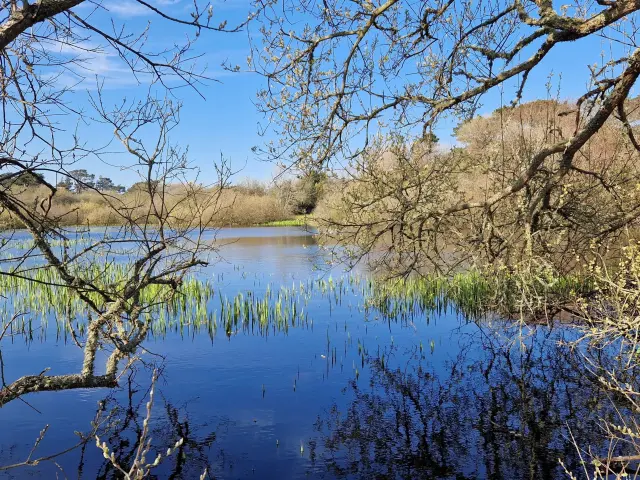
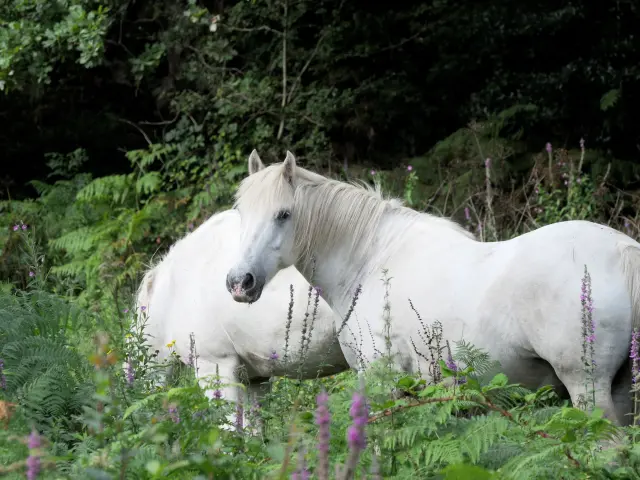
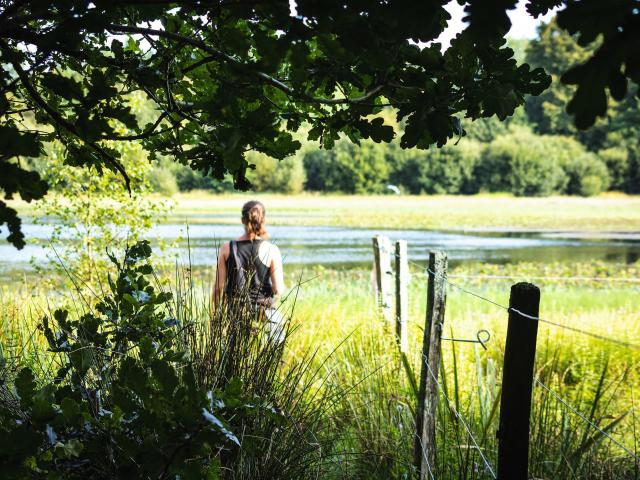
Humankind has a knack for creating magnificent natural spaces, as the Moulin Neuf Pond clearly demonstrates! Originally created to supply water to the Lesmoal mill, this site – now designated a Regional Nature Reserve and recognised as a ‘Remarkable Area of Brittany’ – is one of the region’s finest natural treasures. The landscapes alternate between flooded, wet and dry depending on the season. And it is precisely this variation in water levels that creates a rich mosaic of unique habitats, including heathland, meadows and marshes… This is a delight for the flora and fauna that thrive here, particularly our four-legged ‘gardeners’. And yes, from the observation point, you can spot Camargue horses and Highland cattle grazing near the pond!

Did you know?

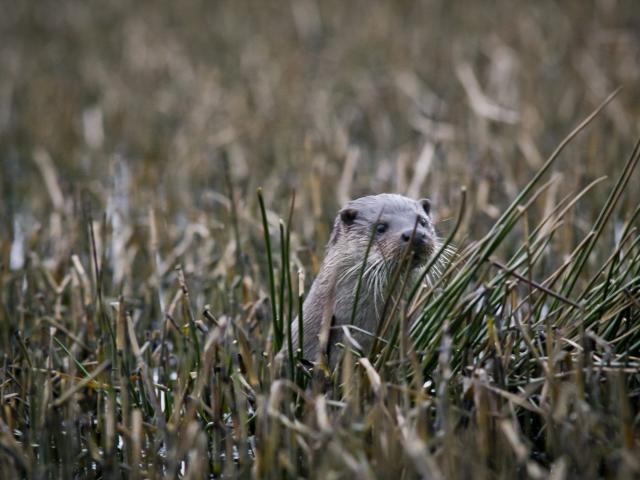
The Moulin Neuf pond is one of the few places where you might spot a European otter!


7. The Quellen Marsh

Trébeurden

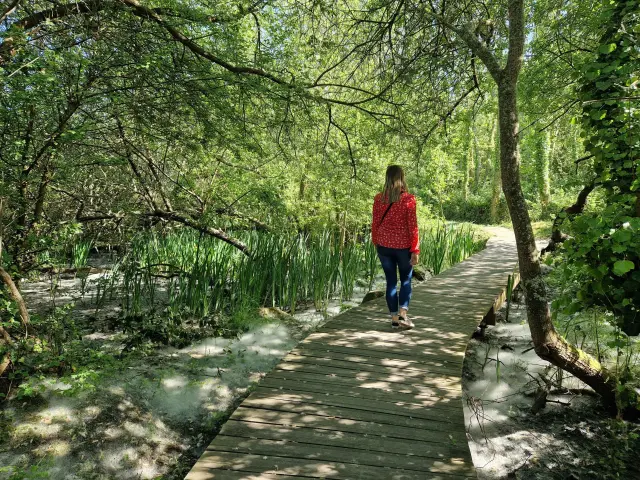
A marsh separated from the English Channel by a ridge of dunes? It’s possible in Brittany! In this marsh, designated a Sensitive Natural Area (ESPANS) in the Côtes-d’Armor, the water is curiously fresh, as the dunes prevent seawater from reaching it. This haven of peace offers a mosaic of remarkable natural habitats, alternating between wet meadows, reed beds and pools of water that are home to an unexpected wealth of biodiversity. During your walk (just 2 kilometres), stop off at the bird observatory: a few marsh warblers, grebes and coots nest here. All it takes is a little patience to spot them… or not! This well-maintained path, accessible to all, allows you to immerse yourself fully in the heart of this protected landscape, ideal for lovers of flora and fauna.

Did you know?

Camargue horses live in the marshes almost all year round to keep vegetation growth in check!


8. The cliffs of Trédrez

Trédrez-Locquémeau

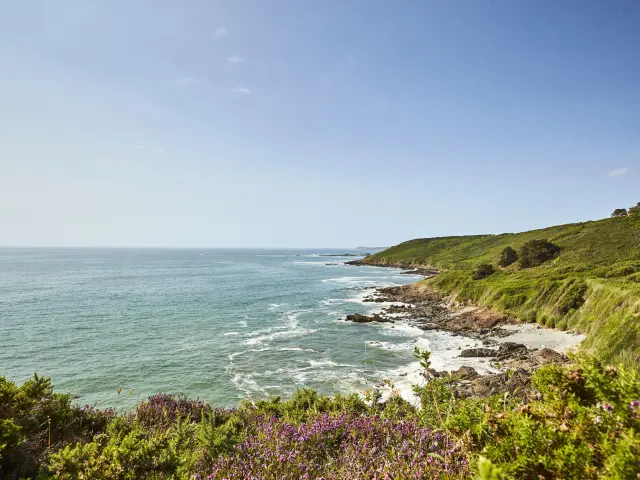
Head for the Trédrez Cliffs, one of the largest unspoilt areas in the Côtes-d’Armor! It stretches for around 4.5 kilometres from the Vorlenn lagoon to Toul-ar-Vilin beach near Saint-Michel-en-Grève. Towering majestically over the sea, these steep cliffs offer spectacular panoramic views from Trébeurden to the Finistère coast and are home to heathland rich in remarkable plant species. You can explore it on a walk along the GR34. In fact, this path was already used by coastguards back in the Middle Ages! It’s a chance to walk in the footsteps of history, quite literally. Throughout this sea-air-filled walk, the ever-changing play of light on the wild coastline will delight all lovers of wide open spaces and unspoilt landscapes.

Did you know?

In autumn, tens of thousands of migratory birds fly over the cliffs at Trédrez.


9. The Archipelago of the Seven Islands

Perros-Guirec

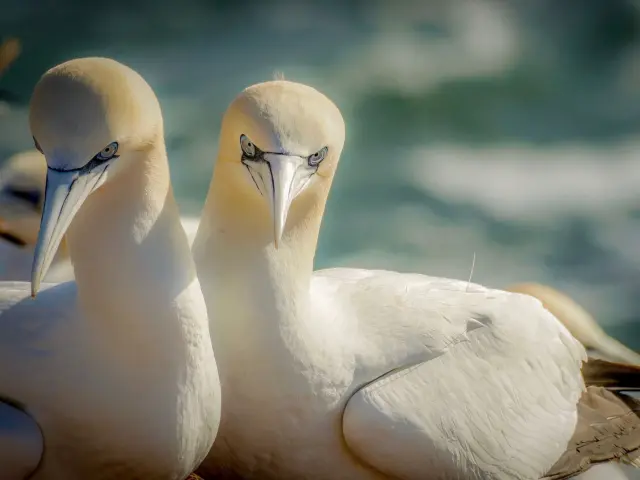
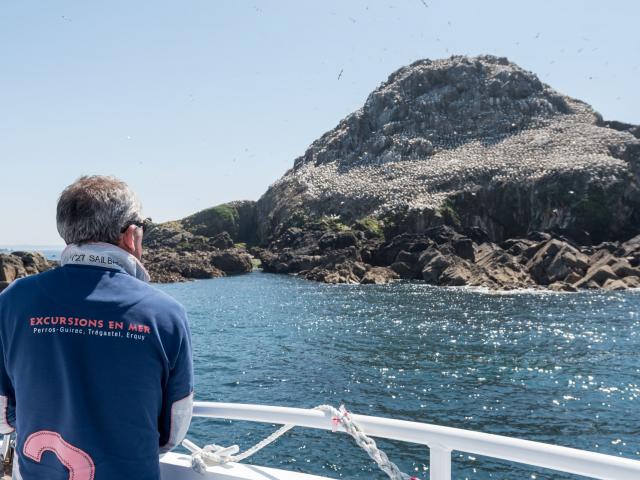
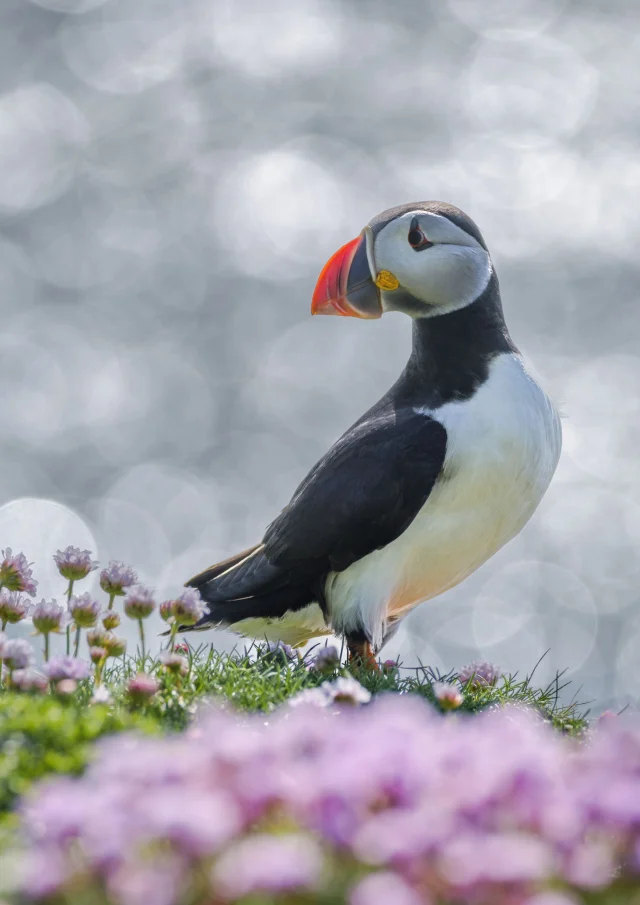
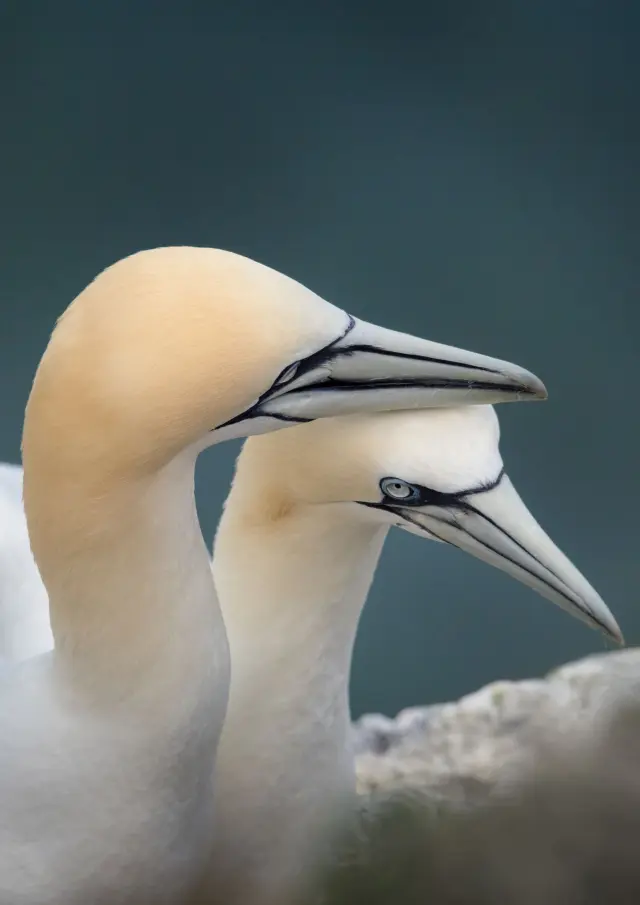
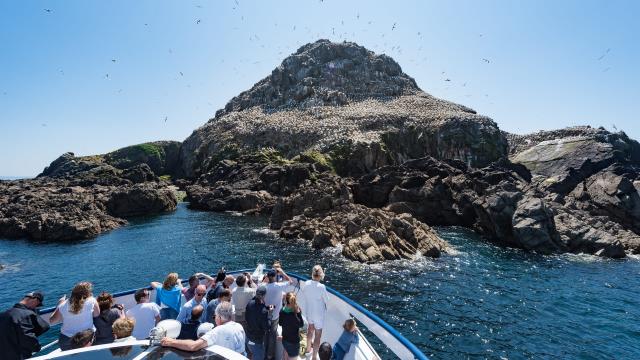
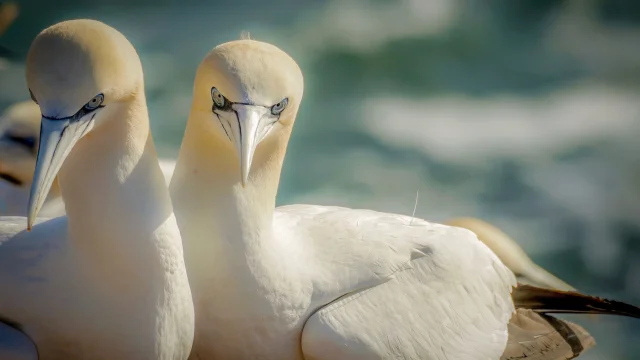
30,000. That’s the number of pairs of birds that inhabit the Seven Islands archipelago. Yes, yes, you read that right! Amongst them are northern gannets (France’s only colony is here!), Atlantic puffins (over 98 per cent of France’s puffin population), as well as penguins and crested cormorants… And many more on the Sept-Îles. Which, incidentally, consist of just five main islands (typical of the Bretons), namely Rouzic, Malban, Bono, Île Plate and Île aux Moines, as well as a few islets and reefs in the surrounding area. A true bird sanctuary and France’s oldest national marine nature reserve, this island ecosystem offers a breathtaking spectacle. It’s worth noting that spring and summer are the breeding seasons, when you’ll be able to spot numerous species!

Did you know?

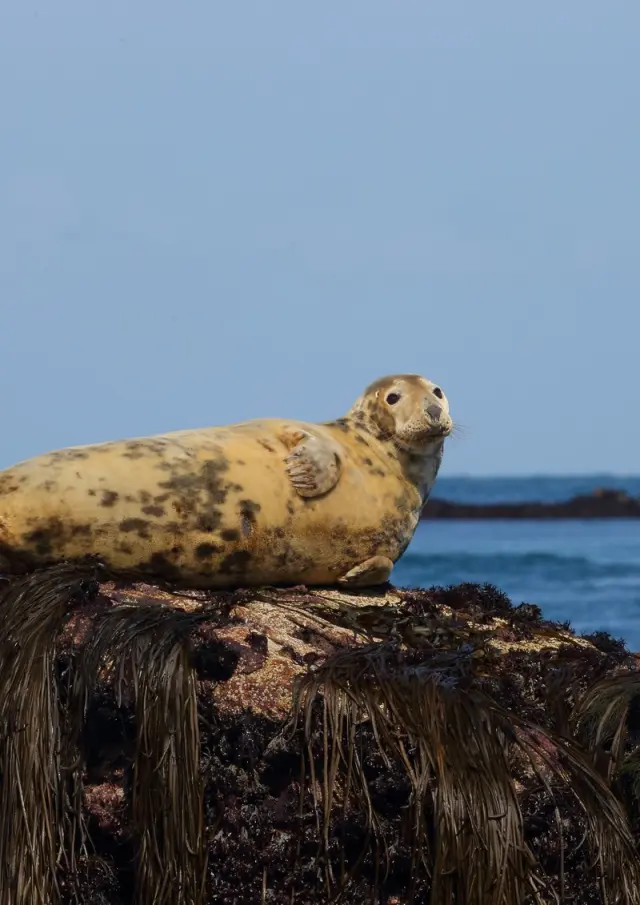
It’s the number one breeding site for grey seals in France, and around forty of them live there all year round!


10. The Léguer

Plounévez-Moëdec > Lannion

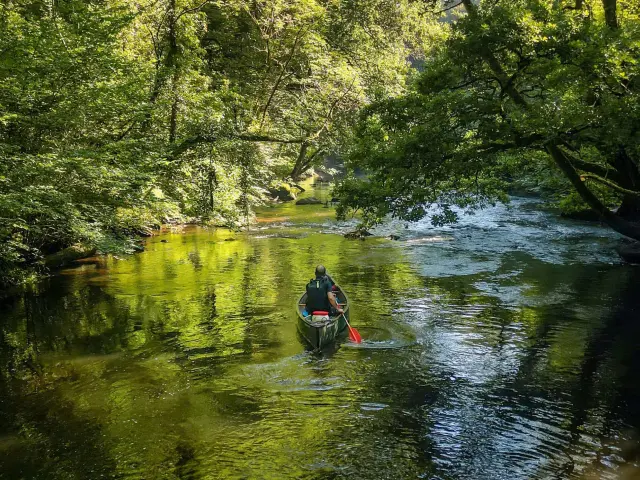
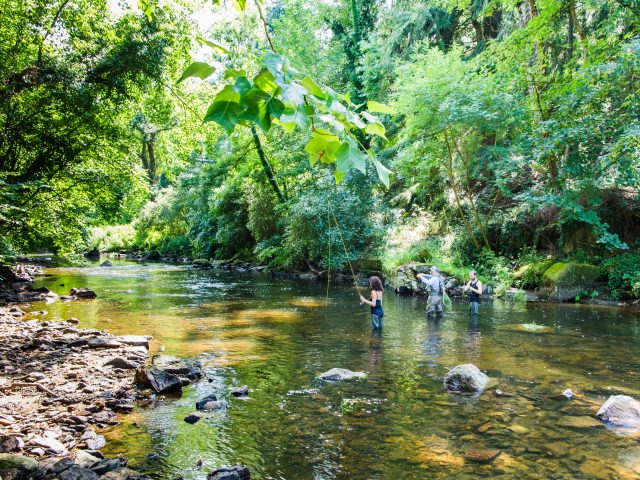
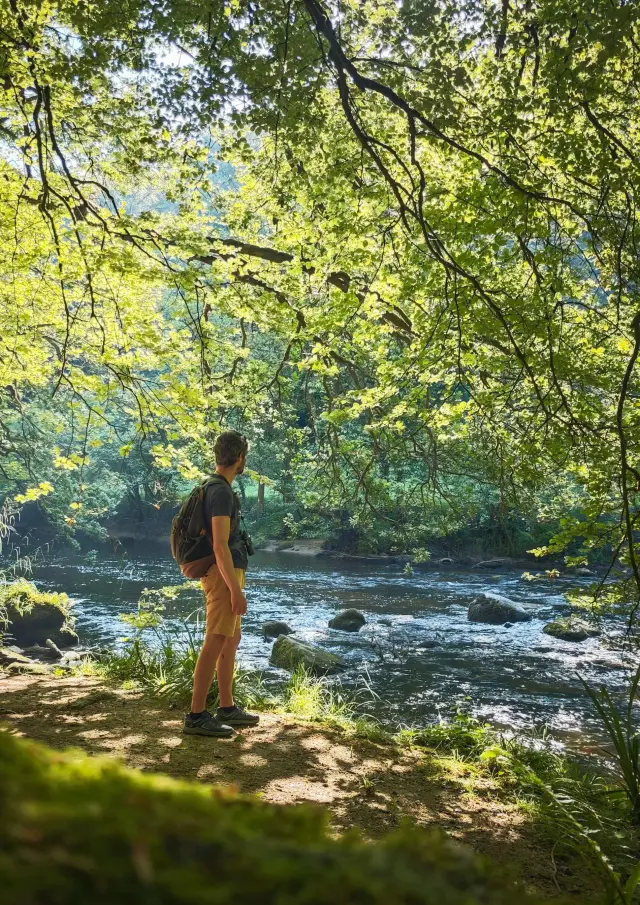
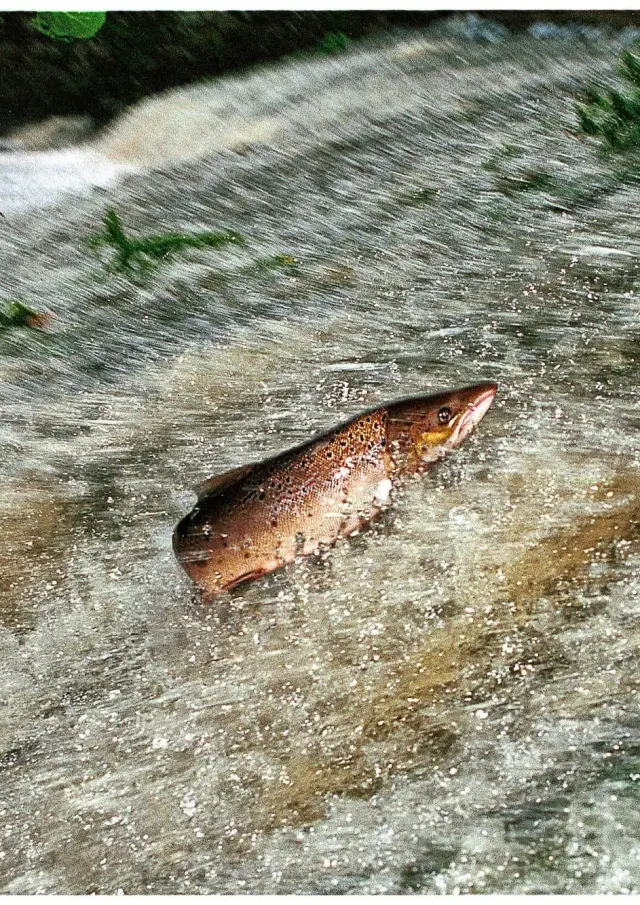
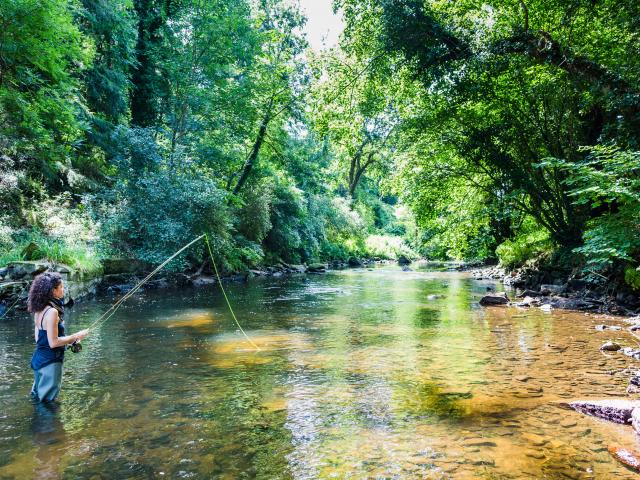
From its source to the sea, there is but one river. The Léguer stretches for 59 kilometres… to be explored to your heart’s content, from the Monts d’Arrée to the Lannion estuary. This river winds its way through unspoilt countryside and offers shaded walking trails that are particularly popular with walkers. On the itinerary for your walk: steep-sided valleys, deep woods and a few dry moors at higher altitudes. A truly exceptional ecological corridor, its banks are home to remarkable biodiversity that delights lovers of the great outdoors. And above all! Water of rare purity, which attracts the area’s elusive wildlife. In fact, it is not uncommon to see various species of fish swimming there, including trout, salmon and sculpin.

Did you know?

The Léguer was the very first river in the far west to be awarded the ‘Site Rivières Sauvages’ label

60 natural sites to explore in Brittany

Islands, forests, moors, rivers, marshes…

If this selection of natural areas in Brittany has whetted your appetite, you’ll be pleased to know there are plenty more along the Pink Granite Coast! Discover 50 more natural sites, including 3 nature reserves home to 6,000 different species of flora and fauna!

Best practice for an enjoyable walk

These natural sites are fragile. We ask that you follow the guidelines below to ensure that public access is balanced with the preservation of biodiversity:

  • Stay on the path, even if it’s tempting to go off and explore the surrounding area.
  • Respect the various facilities in these areas.
  • If dogs are permitted, please keep yours on a lead
  • Be quiet to ensure the wildlife remains undisturbed
  • Do not collect pebbles
  • Take photos of the flowers rather than picking them
  • Take your rubbish away with you
  • Check the tide times before venturing onto the foreshore

Discover the stars of Brittany’s natural areas

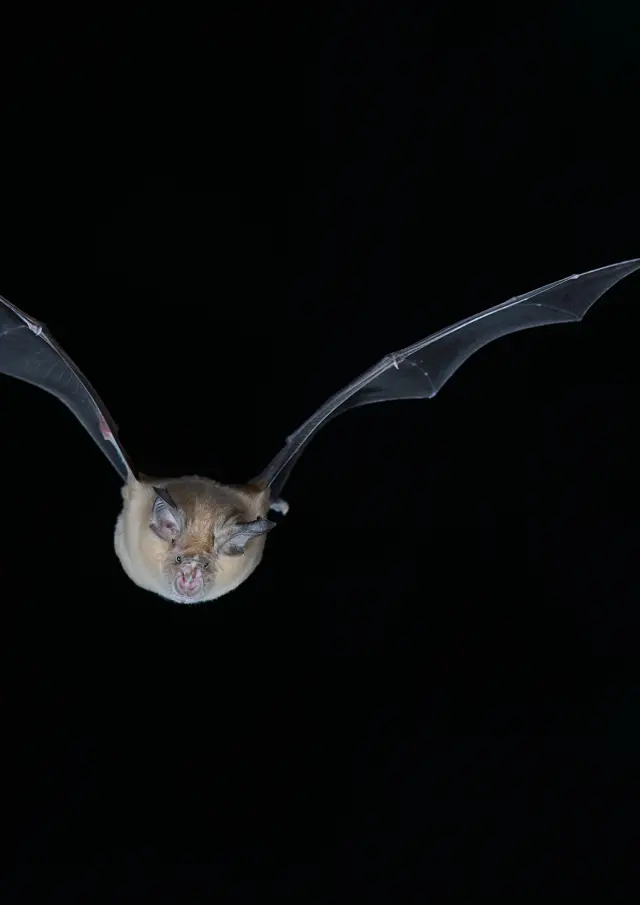
Here, the stars of the coast have feathers, fur… or fins! The Pink Granite Coast and its natural areas are a vast playground for wildlife spotting. So here’s a tip: keep your eyes peeled. There’s often an animal hiding between the rocks!

With C-monspot, you can easily locate the habitats of certain wild species and discover the best spots for exploring the coast in a different way!

Be at the top

the top of the Pink Granite Coast