Timelaps TrégastelTimelapse grande marée à Trégastel sur la Côte de Granit Rose - Bretagne

High tides in Brittany

A gravitational phenomenon between the moon and the sun
Watch video

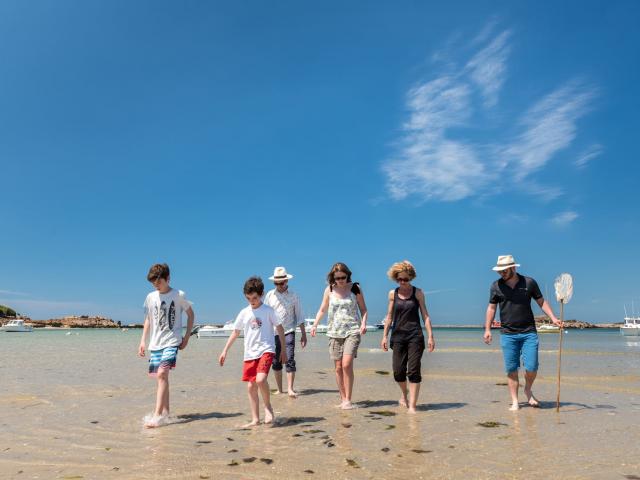
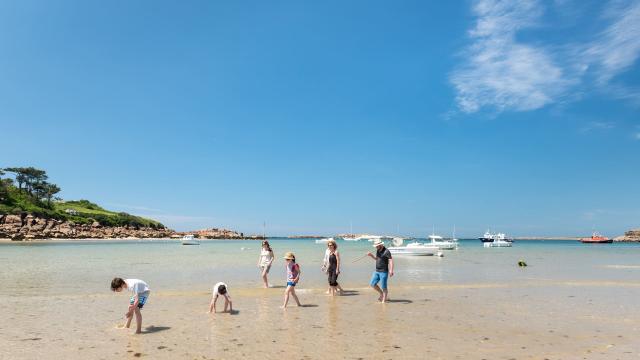
On the Pink Granite Coast, as elsewhere in France and around the world, every day the sea retreats and returns 6 hours later: this is the phenomenon of the tides, caused by the combined attraction of the moon and the sun. In Brittany, the tides are semi-diurnal, with the sea rising and falling twice a day. Each tide frees up the foreshore, a veritable playground for anglers and photographers in search of THE view that makes all the difference! Want to find out more about Brittany’s spring tides? Follow the guide!

Brittany between high and low tide

What could be more beautiful than contemplating the spectacle of the waves? And if there’s one place that spoils us in terms of views, it’s Brittany, thanks to the high tides!
Relaxing on your beach towel, you’ve probably already wondered why the tide rises and falls… Yes, the sea ebbs and flows, and for a good reason. This phenomenon is due to the effects of the attraction of the moon and the sun, which act according to the laws of gravity.
The sun has a rendezvous with the moon

The great tides occur during the full and new moons, when the Moon and Sun are in alignment with the Earth. This is known as the attraction between the two stars. So, because of (or thanks to!) this attraction, the water level on the coast will vary according to time and place, throughout the day!

What is the tidal coefficient?

All this can be explained by a ‘simple’ coefficient. But don’t worry! We’re not going to do the maths… The tidal coefficient corresponds to the amplitude of the tidal range: the height between low and high water. Above a tidal range of 100, there is a high tide: the sea goes down very far and comes back up very high. For information, coefficients can vary from 20 to 120. The height of the water is then measured in metres.

Breton gastronomy linked to the tides

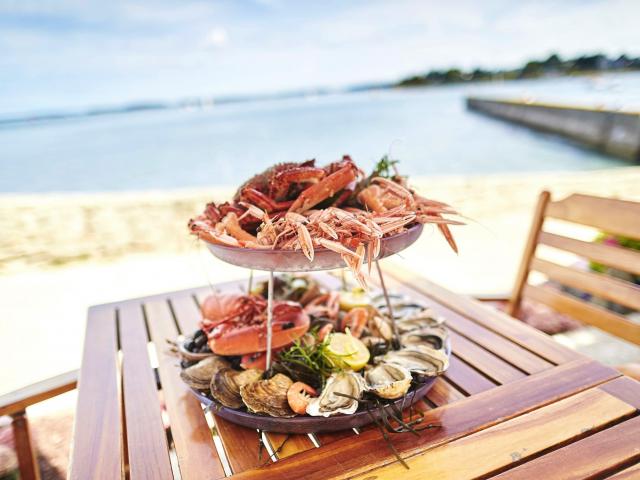
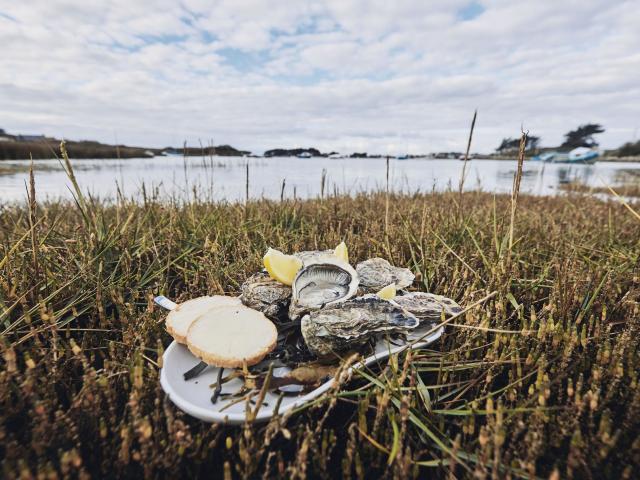
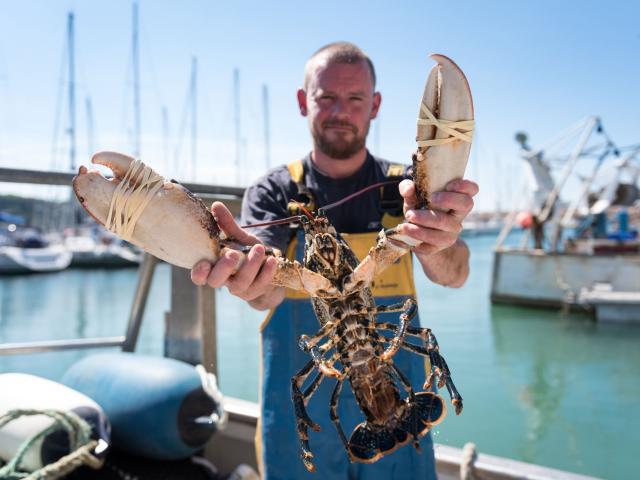
In Brittany, the phenomenon of high and low tides has shaped the coastal landscape as the waves rise and fall. Depending on the time of year, the view changes and brings new specificities to the panorama. For lovers of fresh produce, the spring tides are also an opportunity to try your hand at the simple pleasures of shore fishing in Brittany!

The spring tides: a spectacle to awaken your senses

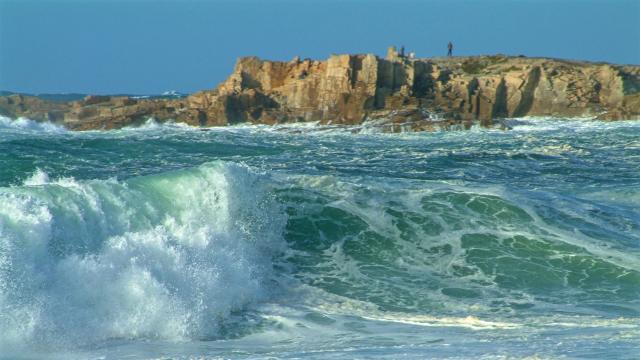
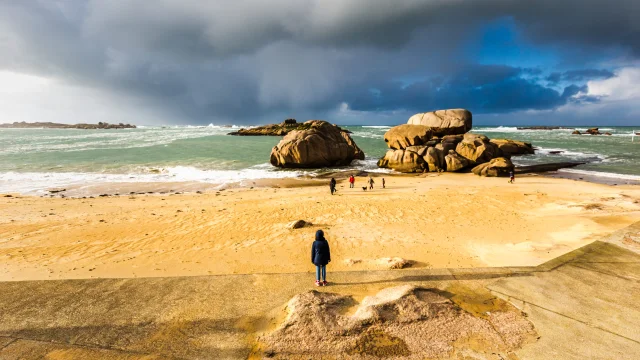
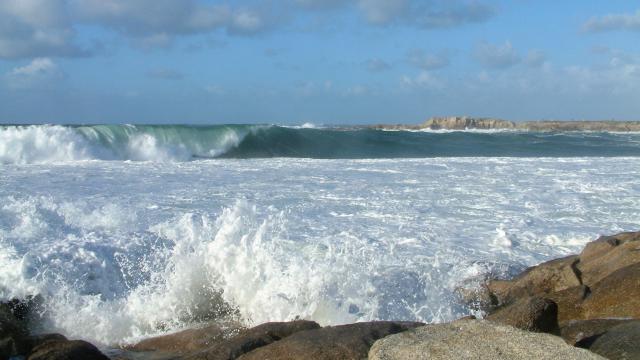
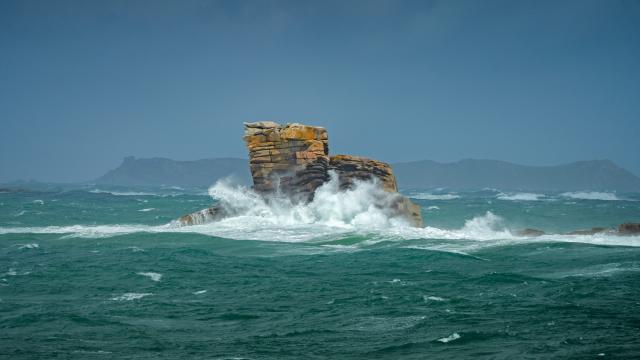
From Plestin to Lézardrieux, you’ll discover the spectacle of rising and falling water, often accompanied by a storm in winter. At this time of year, it’s on the heights of the coast that you can admire the huge waves crashing against the large rocks. Neither your eyes nor your ears will be able to forget this magical phenomenon: a storm at high tide on the coast of Brittany.

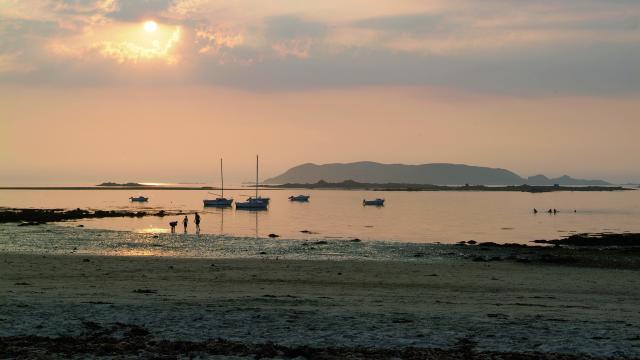
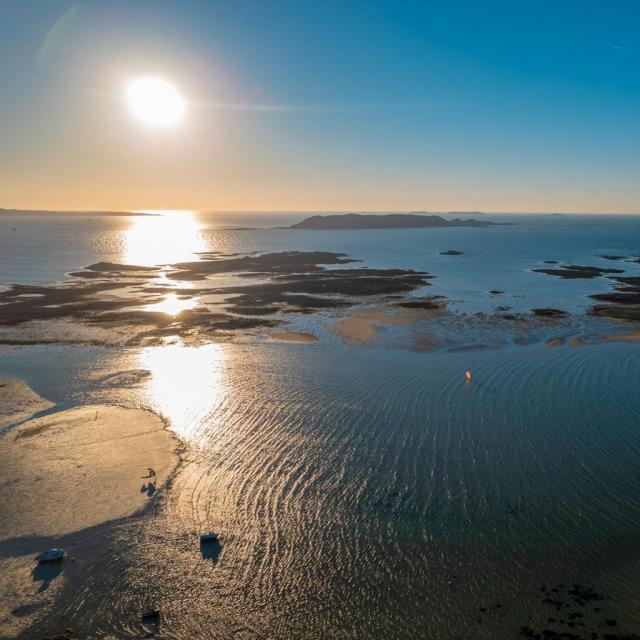
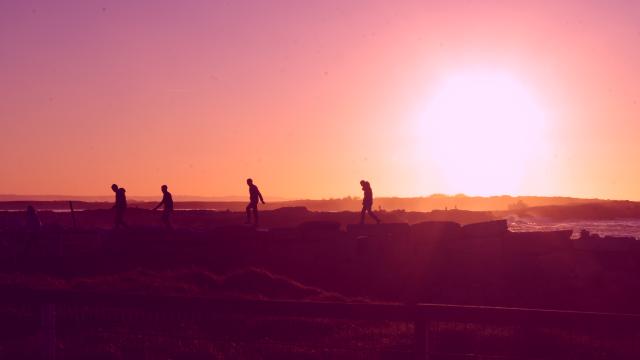
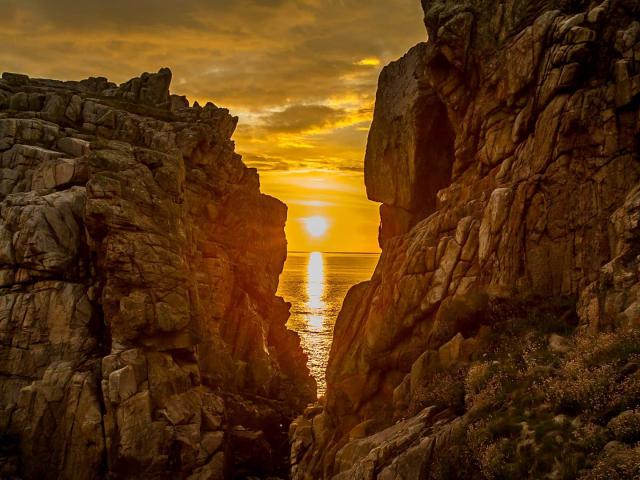
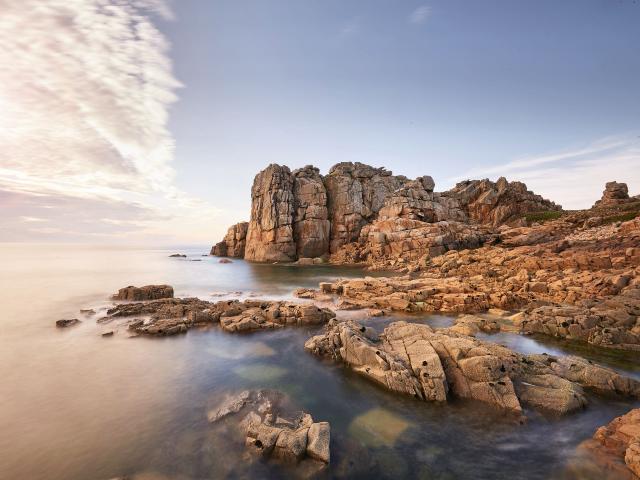
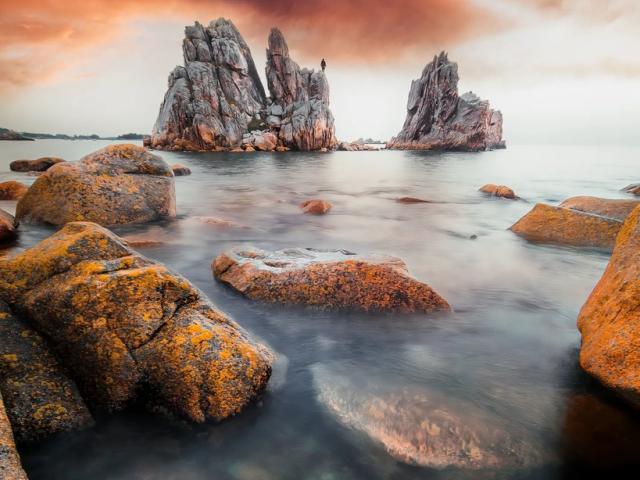
Here on the Granite Coast, at high tide, the sun takes on the colour of the rocks at dusk to delight our eyes!

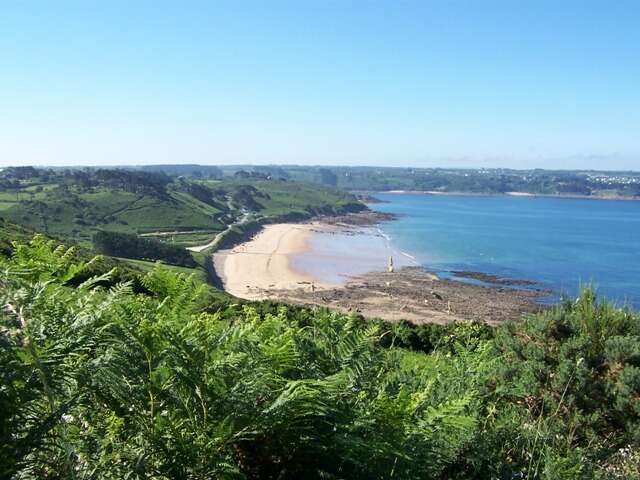
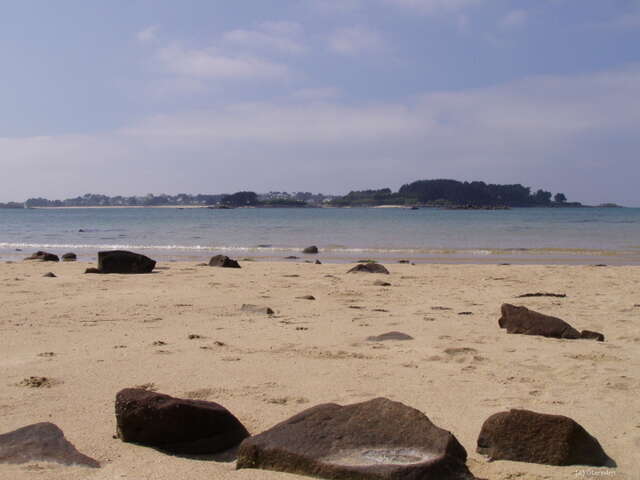
One weekend I was lucky enough to be in Brittany at high tide, and the scenery along the coast was breathtaking, to say the least. The beach is transformed to the rhythm of the tides, which cover and uncover the foreshore, revealing vast stretches of sand… So here are my tips and favourite places to enjoy this impressive spectacle.

Jean-Paul

Castel Erek

A landscape shaped by the tides

Ile Grande

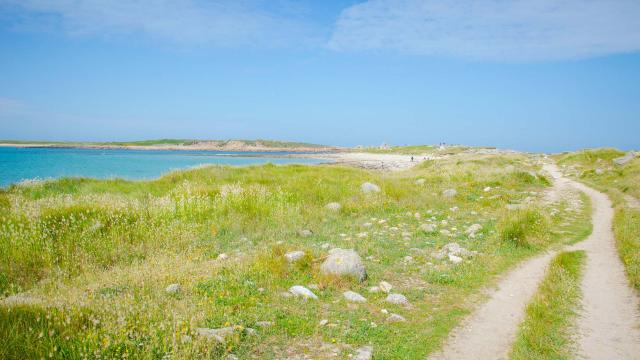
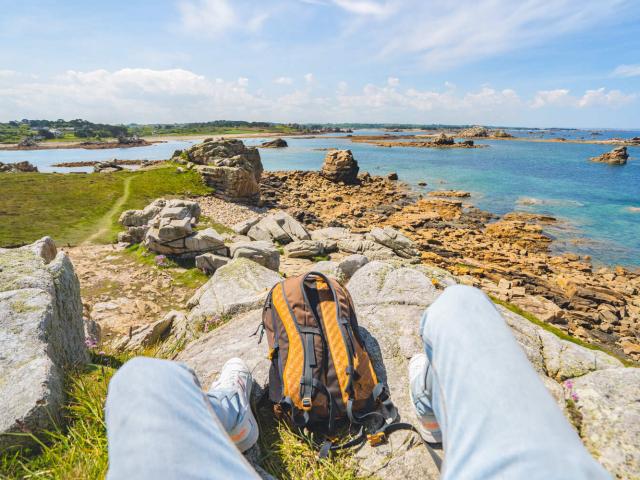
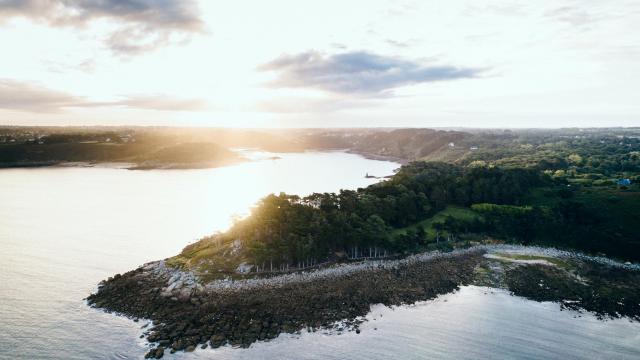
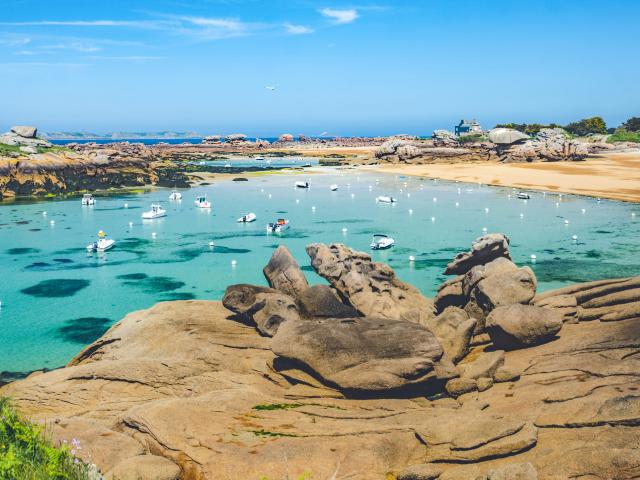
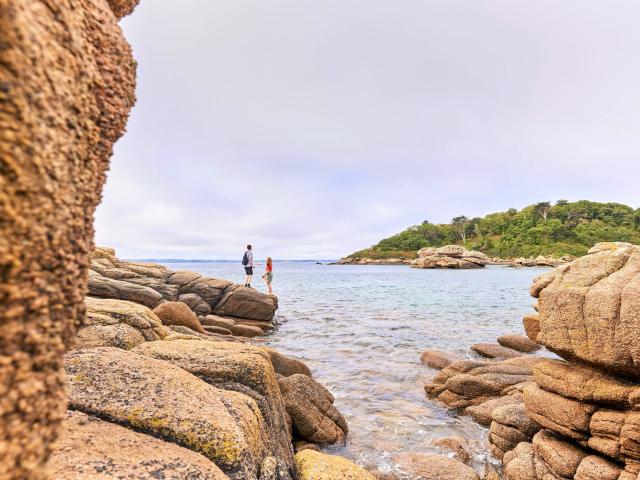
To the rhythm of the tides, colours and lights, Castel Erek offers a fine example of a preserved coastline. To the north-west of Ile Grande, its rocky foreshore is home to a unique flora and fauna, enlivened by the flight of seabirds. The Castel Erek shoreline is exposed to the power of the swell, as evidenced by the many large pebbles that litter the ground. Discover this unspoilt natural setting, shaped century after century by the force of the wind, the iodised water and, of course, the attraction of the moon and the sun. In front of you, a panoramic view of the Sept-Îles, Millau Island and the Triagoz archipelago.

Castel Meur

On the edge of the abyss

Plougrescant

A jagged shoreline, fringed with reefs and spiked with rocky outcrops – that’s the surprising sight that surrounds the Gouffre site, located in what is known as “Hell’s Bay”.
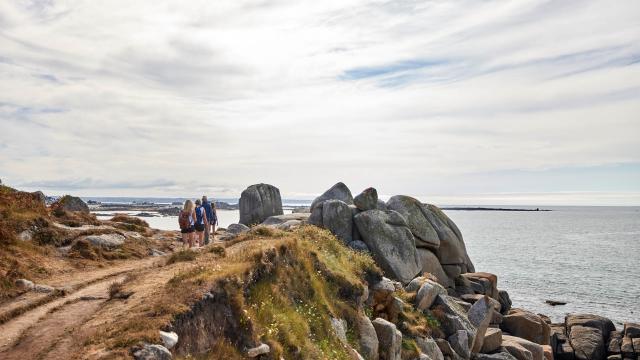
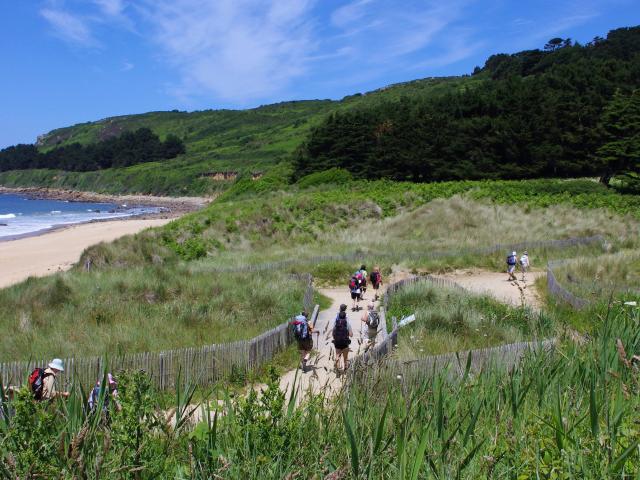
Over the course of time and the sometimes capricious weather, the landscape has been gradually transformed. Complex swell phenomena have led to accumulations of pebbles that have lengthened to form tombolos during high tides. This is one of the most beautiful walks you can take to discover the effects of the tidal phenomenon!

The Pointe du Dourven

between tides and strategies

Trédrez – Locquemeau

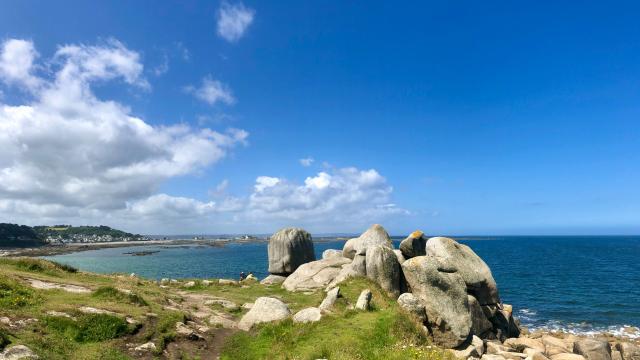
Marking the southern entrance to the Léguer estuary, the Pointe du Dourven is a rocky spur covering almost 43 hectares. Owned by the département since 1974, the natural part of this sensitive natural area is made up of coastal moorland and cliffs, with granite chaos at the foot. The point was once a strategic location, serving as a coastal surveillance post against the English in the 18th century. Today, the area offers some lovely walks, and the flora is thriving peacefully against the winds and tides (literally!).

Organise your visit

for a successful stay