




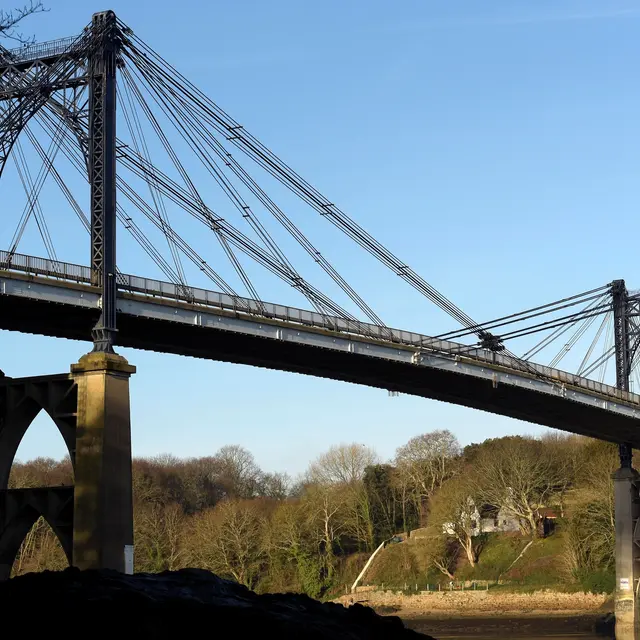
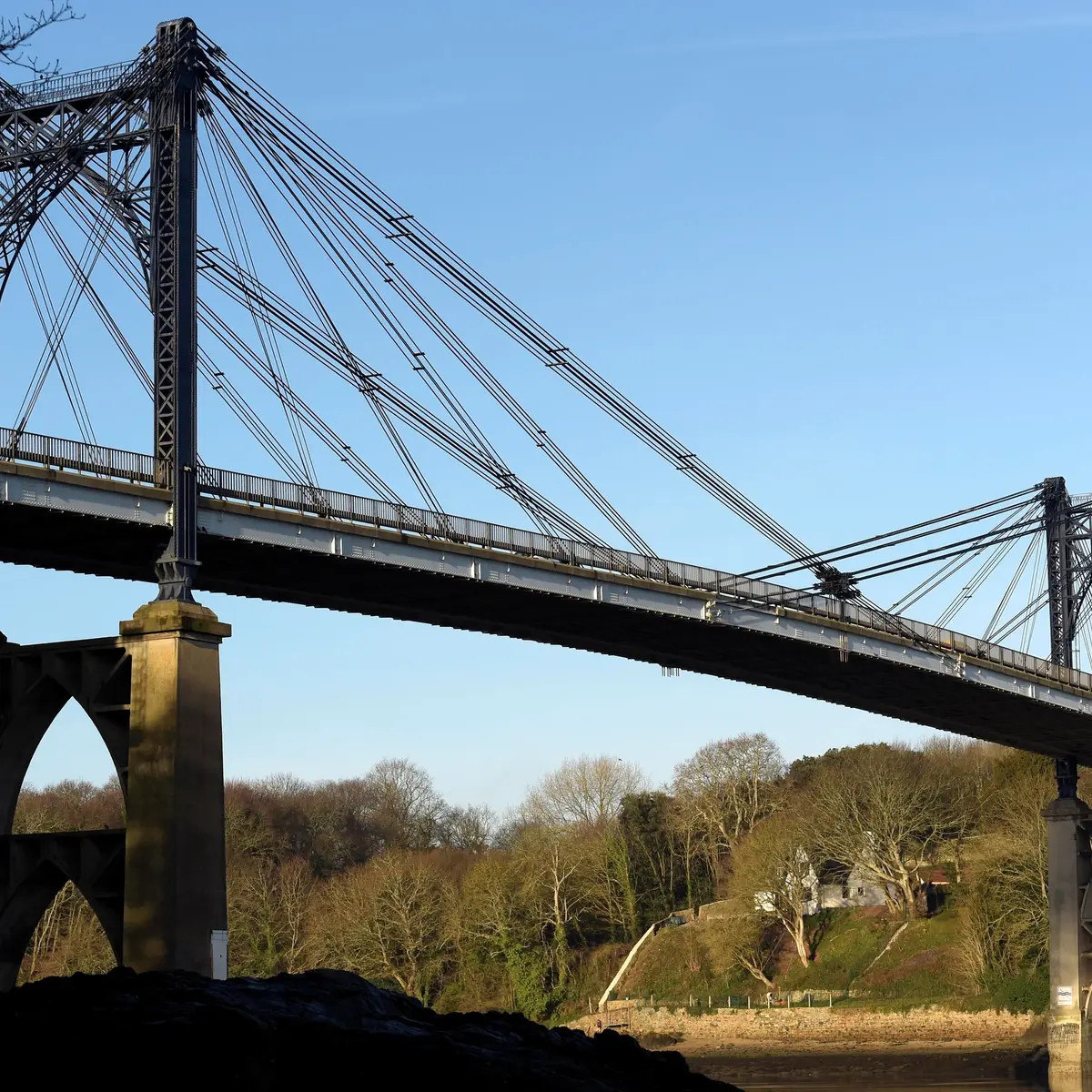
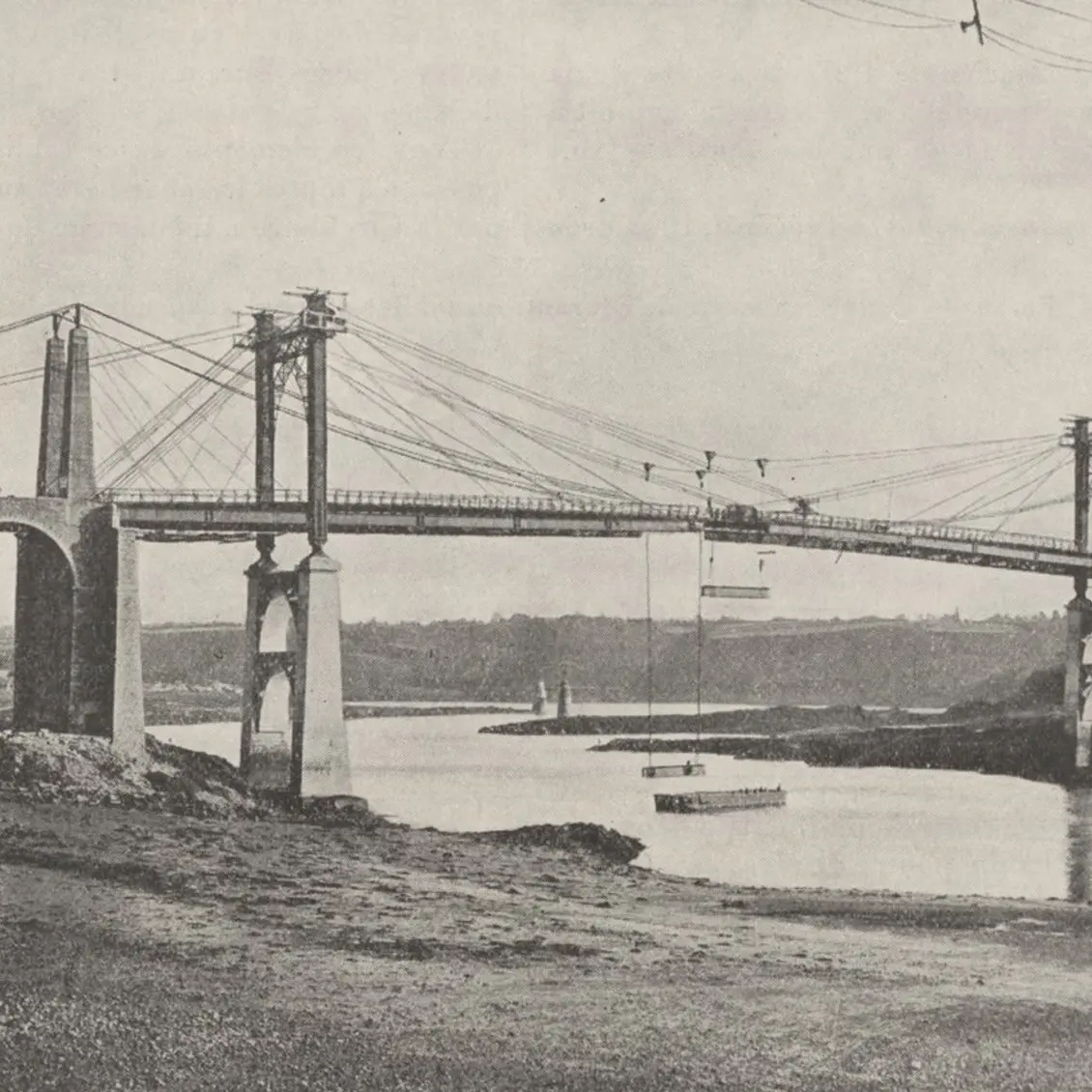
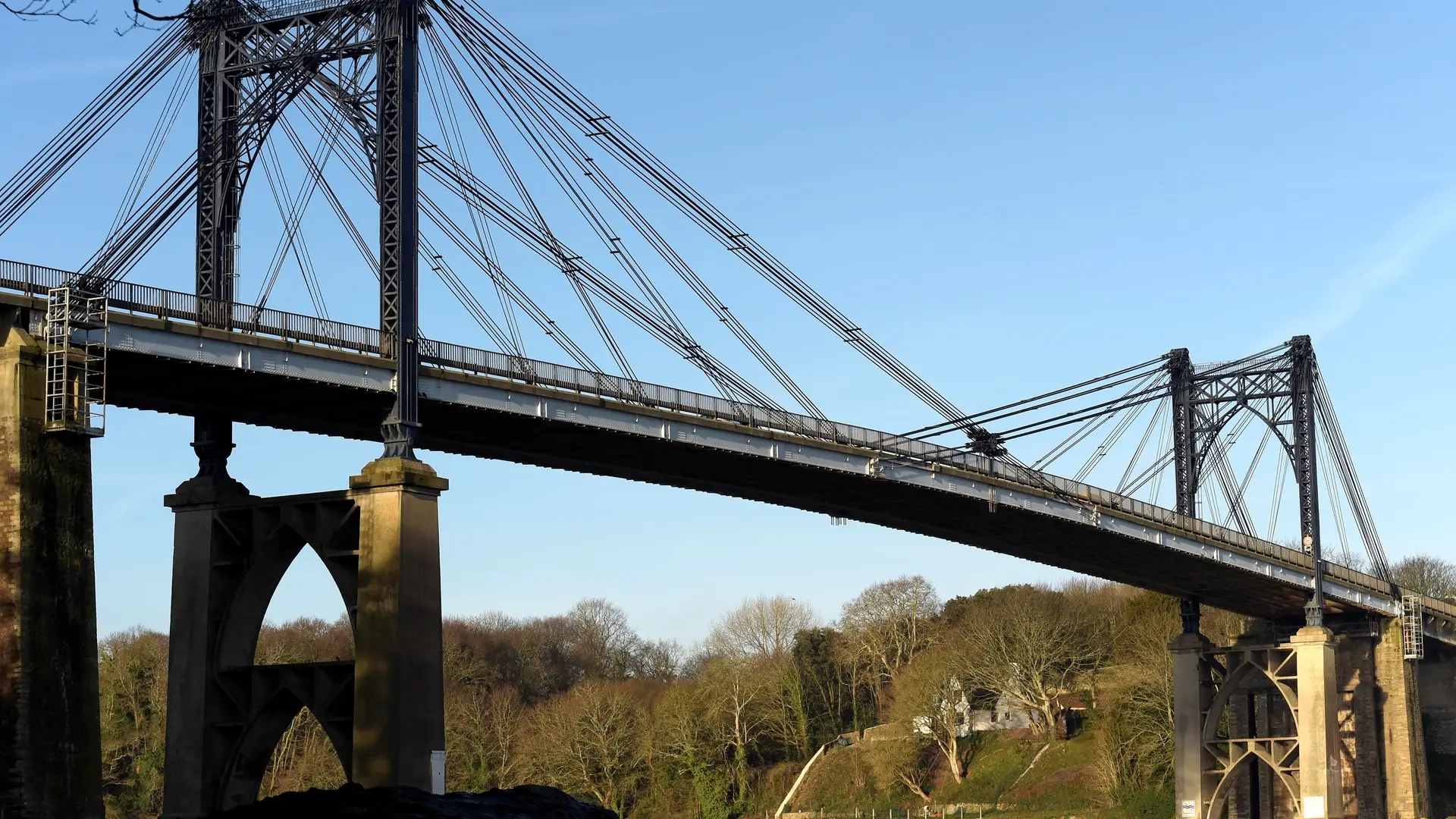
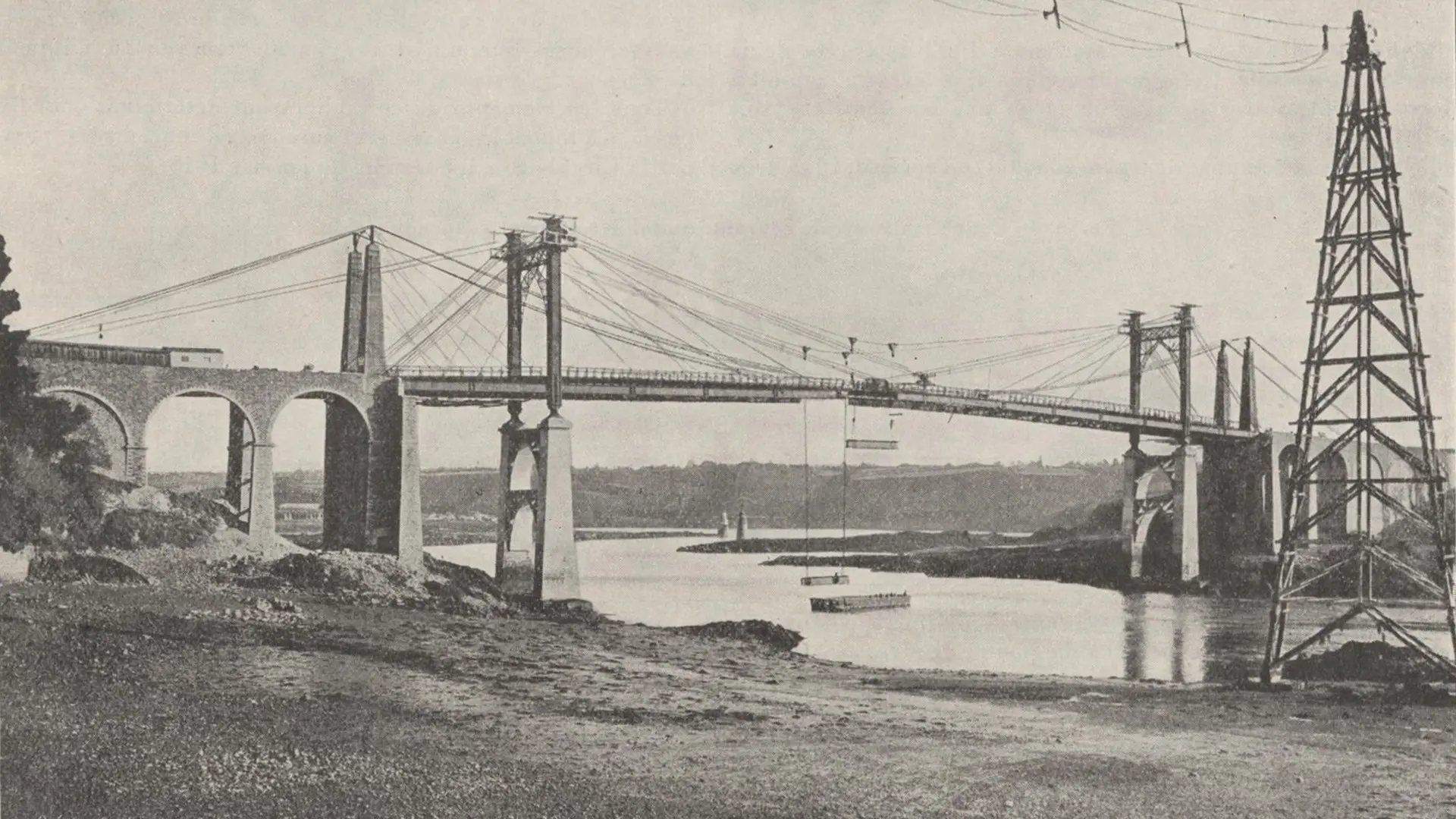
Since 1840, the Saint-Christophe bridge in Lézardrieux has been a key crossing point between Trégor and Goëlo, connecting the D786 road. Before the bridge was built, the estuary was crossed using the Goëlo ferry, a rudimentary vessel subject to the vagaries of the tides and currents. This mode of transport became insufficient in the face of increased trade in the 19th century, requiring a safer and more efficient alternative. In 1836, a royal decree by Louis-Philippe I authorised the construction of a suspension bridge, which was completed in 1840 by the Seguin brothers. Measuring 152.2 metres in length, it rests on granite piers from local quarries and combines a lightweight wooden structure with iron cables. The bridge has undergone several major changes:
● 1882: Traffic restrictions due to increased traffic. Vehicles weighing more than 4 tonnes and horse-drawn carriages with more than 3 horses are prohibited.
● 1913: A metal bridge project designed by Louis Harel de la Noé is abandoned in favour of a more suitable solution.
● 1924: Construction of a new cable-stayed bridge by Ferdinand Arnodin and Gaston Leinekugel-Le-Cocq, incorporating railway tracks for the Tréguier-Paimpol line. The new structure was installed under the old deck to avoid any interruption to traffic.
● 1972: The bridge becomes exclusively for road use. The railway tracks are removed and pavements for pedestrians are added.
● 2022-2025: Major renovation work reinforces the metal structure, stabilises the suspension cables and modernises the waterproofing systems.
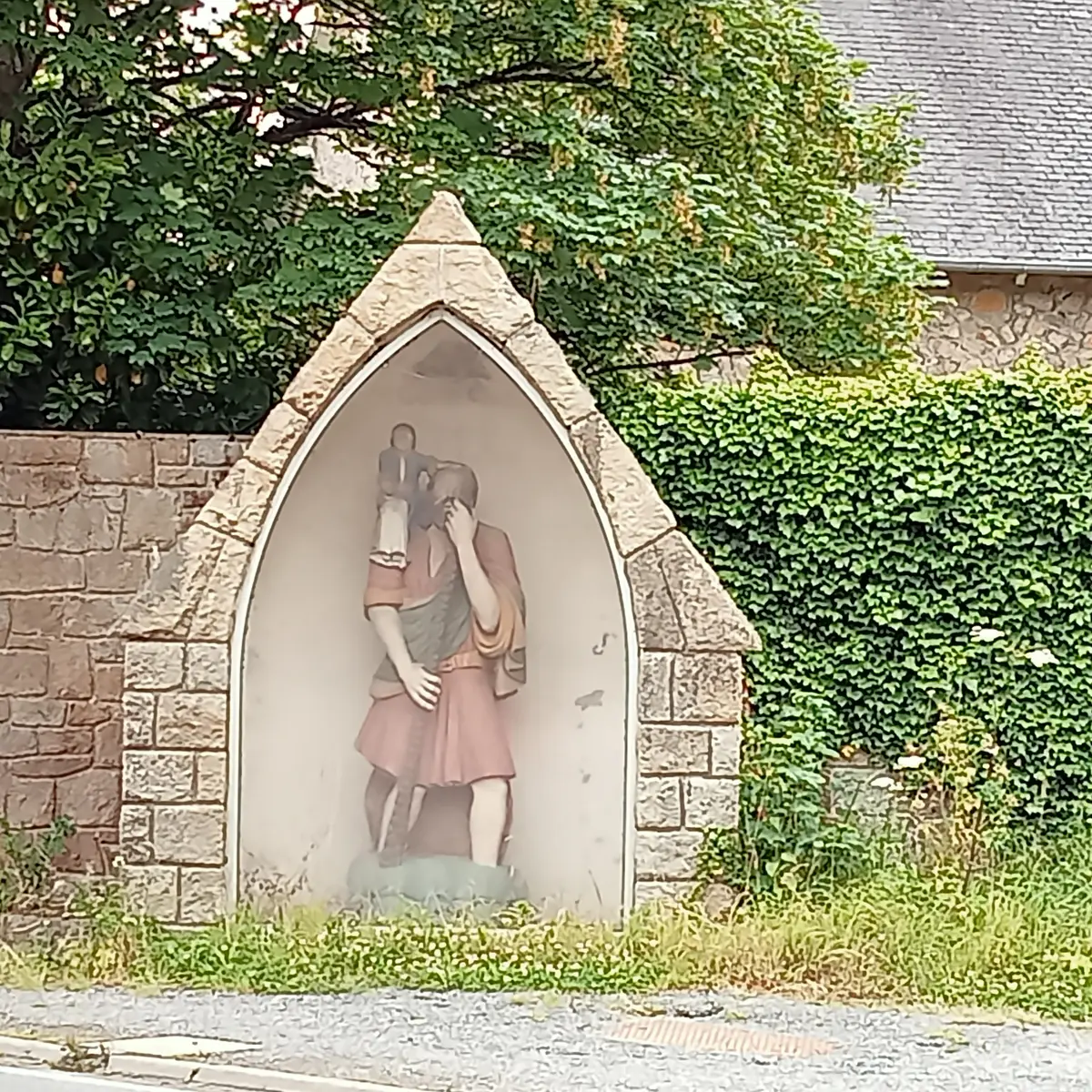
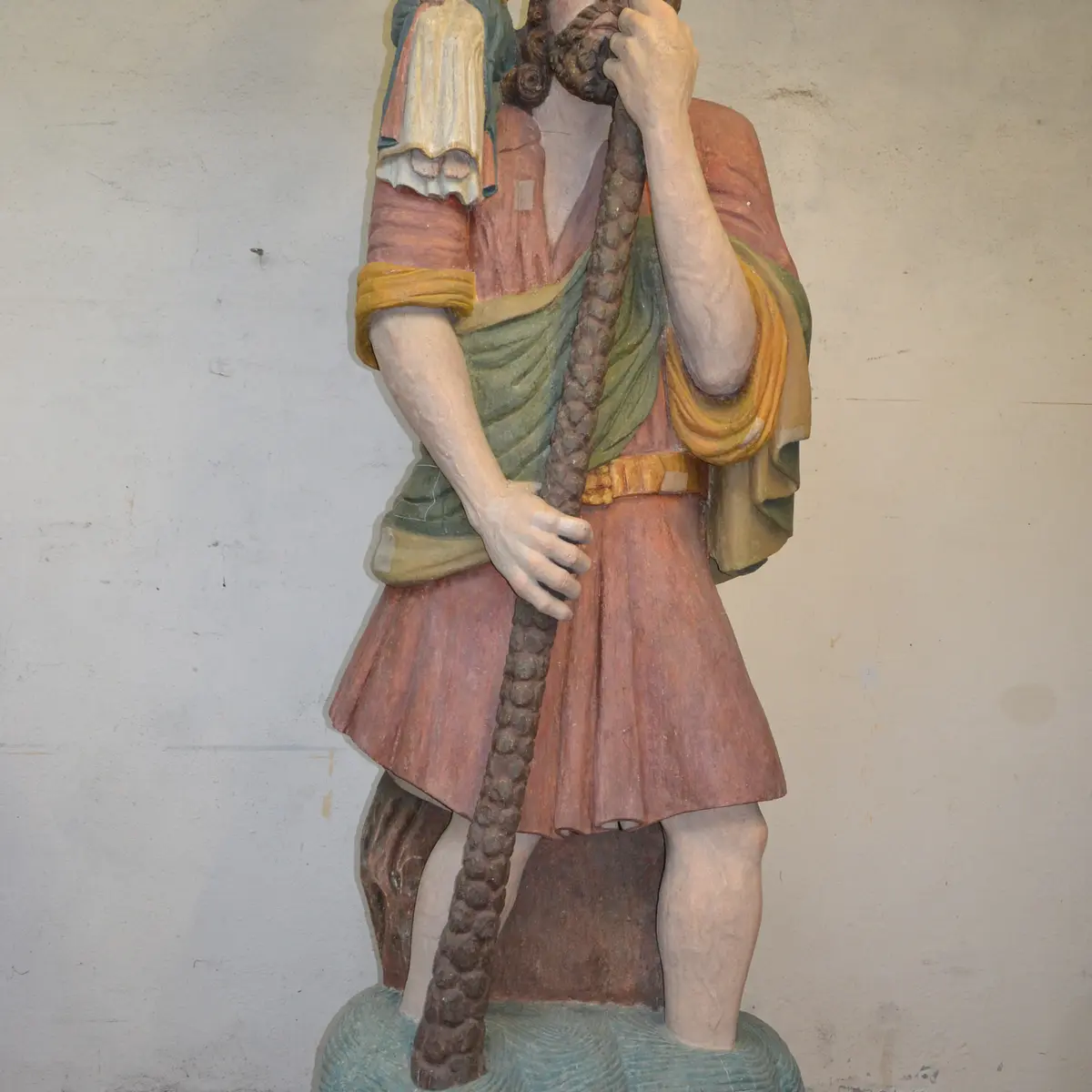
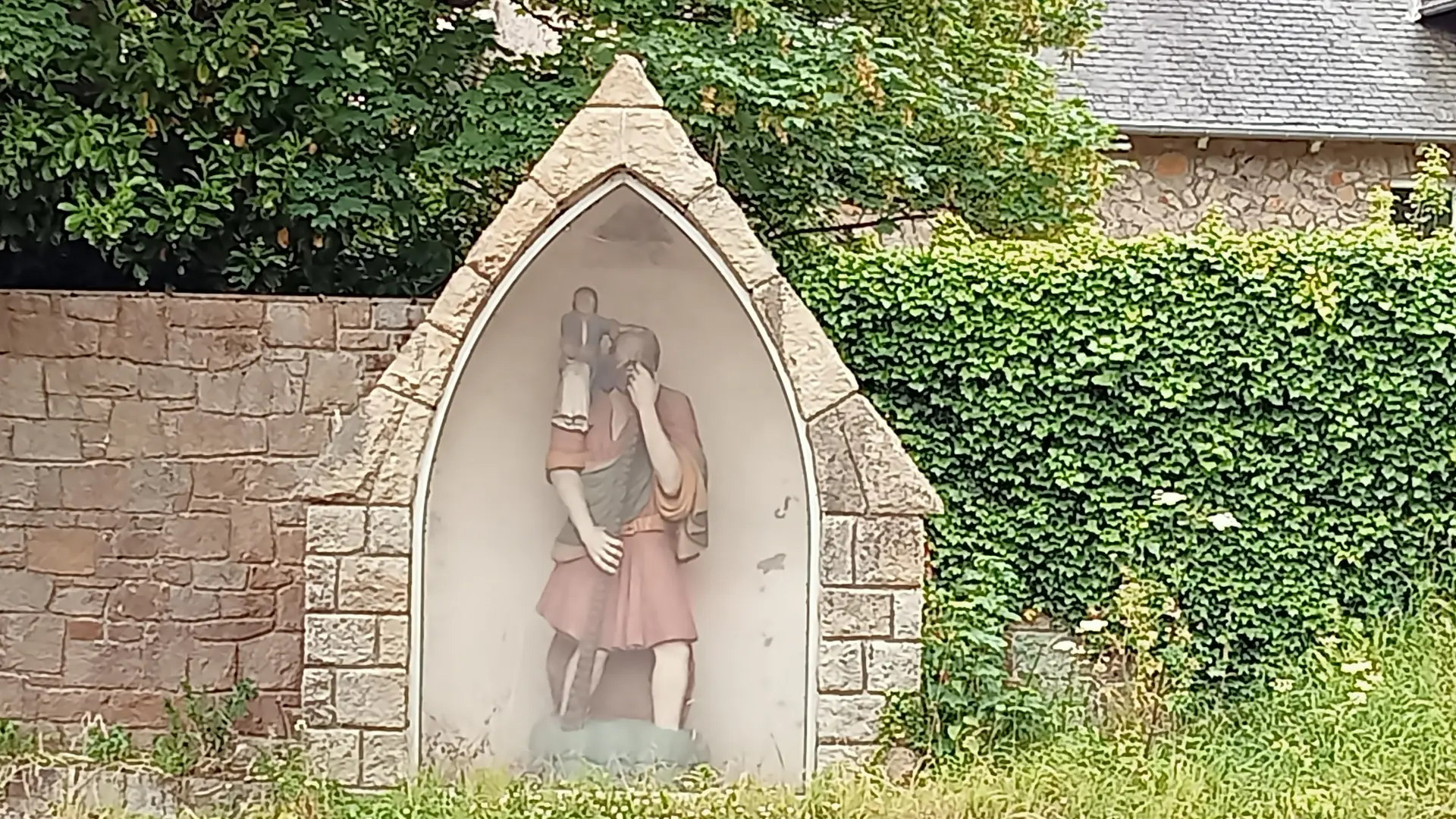
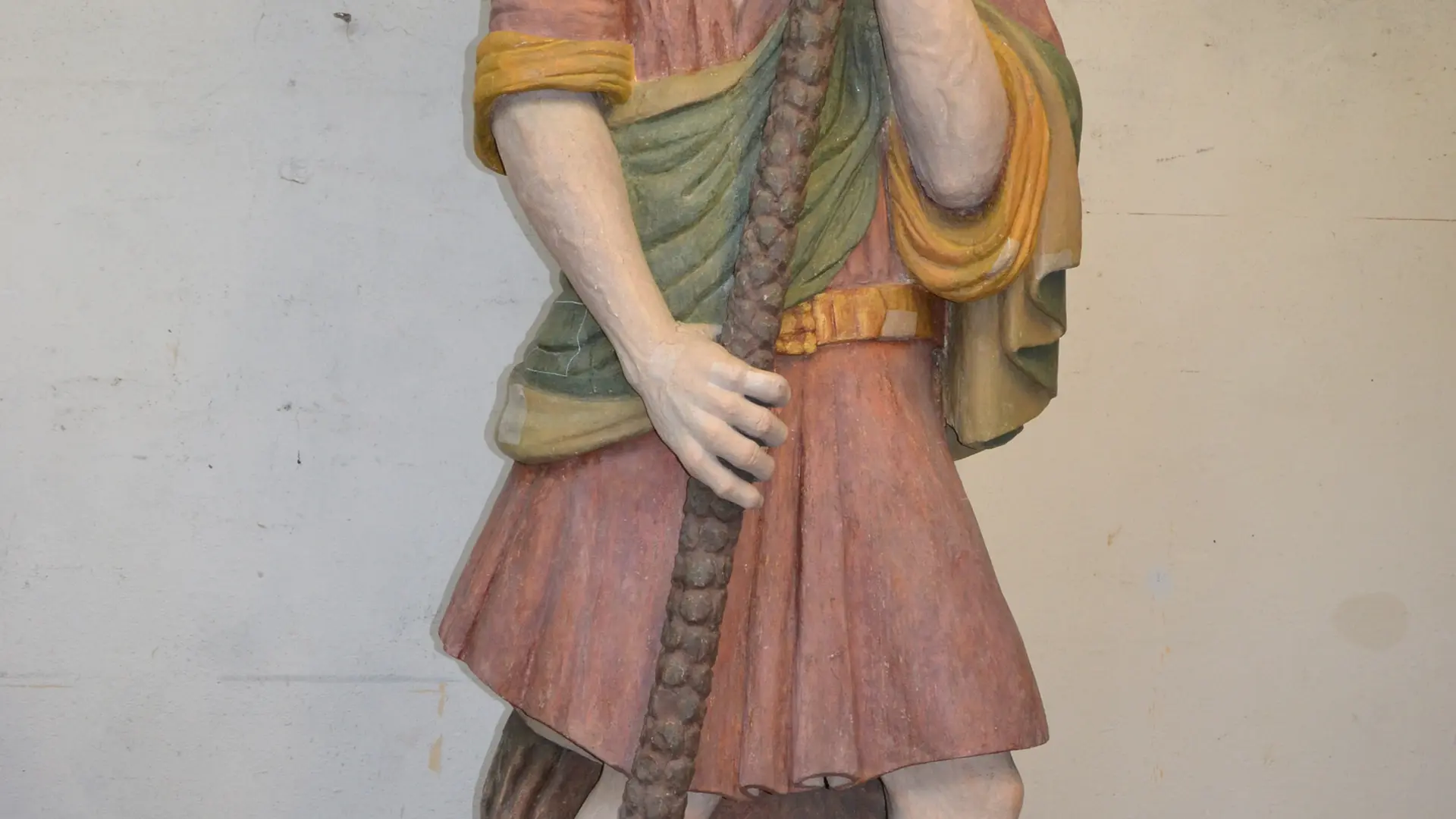
At the entrance to the bridge on the Lézardrieux side, the statue of Saint Christopher is located in a stone niche built in the 1970s . Listed as a Historic Monument in 1978, the statue represents Saint Christopher, patron saint of travellers and boatmen, depicted as a giant carrying the Baby Jesus on his shoulders. He is standing, crossing a ford with
water reaching his ankles, symbolising protection during difficult crossings.
● 1882: Traffic restrictions due to increased traffic. Vehicles weighing more than 4 tonnes and horse-drawn carriages with more than 3 horses are prohibited.
● 1913: A metal bridge project designed by Louis Harel de la Noé is abandoned in favour of a more suitable solution.
● 1924: Construction of a new cable-stayed bridge by Ferdinand Arnodin and Gaston Leinekugel-Le-Cocq, incorporating railway tracks for the Tréguier-Paimpol line. The new structure was installed under the old deck to avoid any interruption to traffic.
● 1972: The bridge becomes exclusively for road use. The railway tracks are removed and pavements for pedestrians are added.
● 2022-2025: Major renovation work reinforces the metal structure, stabilises the suspension cables and modernises the waterproofing systems.
At the entrance to the bridge on the Lézardrieux side, the statue of Saint Christopher is located in a stone niche built in the 1970s . Listed as a Historic Monument in 1978, the statue represents Saint Christopher, patron saint of travellers and boatmen, depicted as a giant carrying the Baby Jesus on his shoulders. He is standing, crossing a ford with
water reaching his ankles, symbolising protection during difficult crossings.
