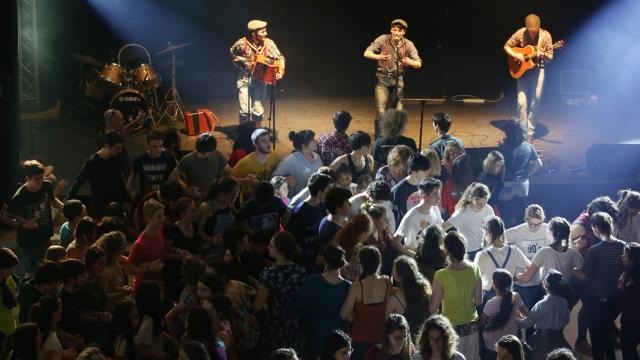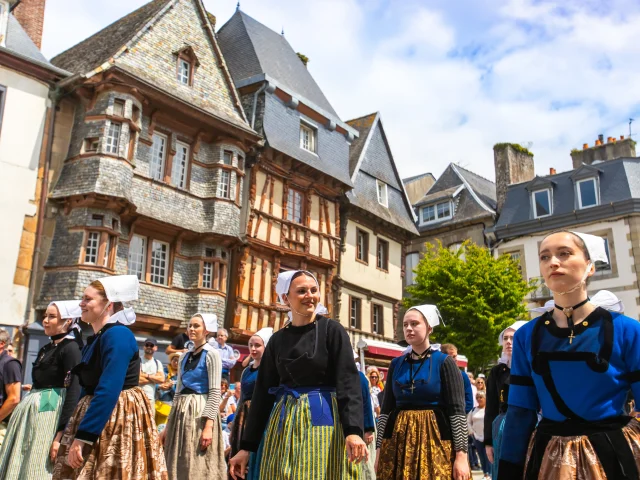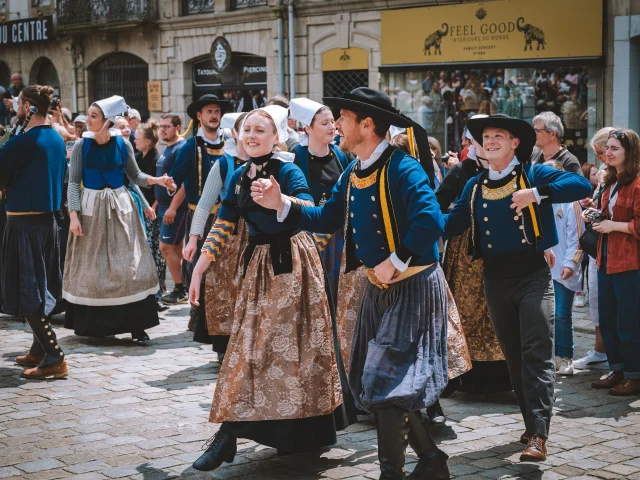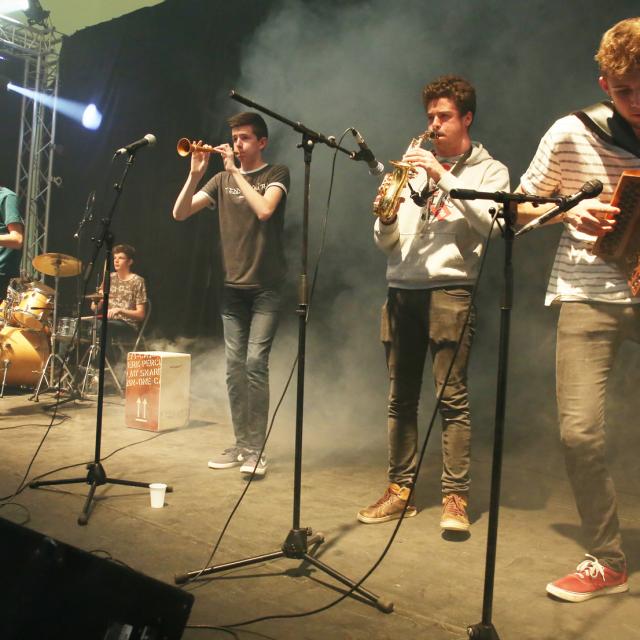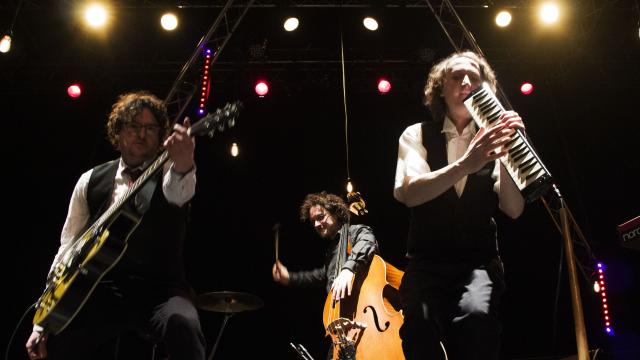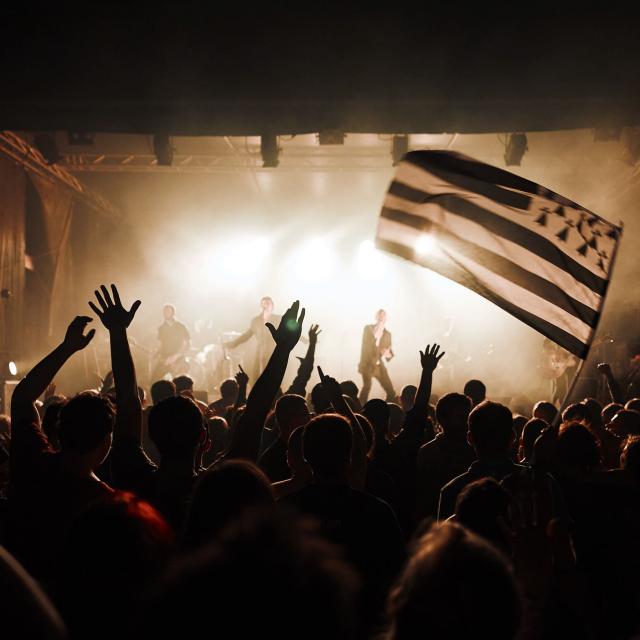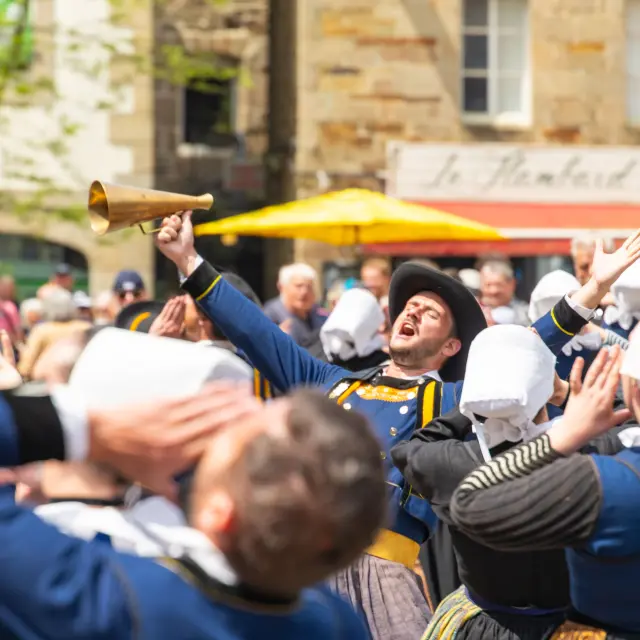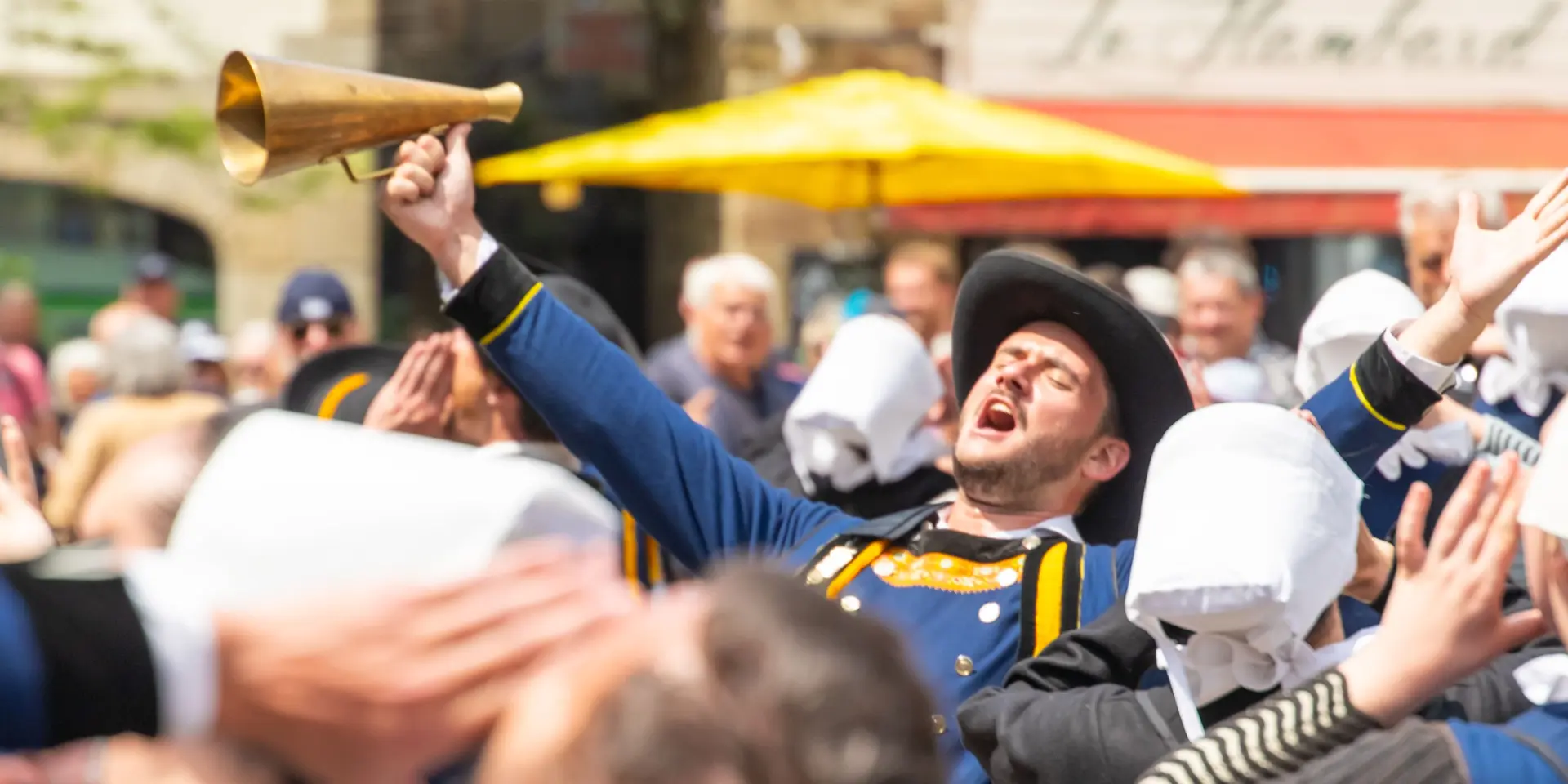
Festival Sonneurs 2024 Lannion 11Festival Sonneurs 2024 Lannion 11
©Festival Sonneurs 2024 Lannion 11|Pelikul

The best Breton expressions

Everyday Bretonisms

You may already have heard some phrases or expressions that surprised you the last time you were in Brittany. And yes, the region has its own expressions that are not always easy to understand. They’re called “bretonnismes”, or Bretonisms, and they don’t exist in any dictionary but are understood only by Bretons. Here is our best selection!

Article republié le 18 April 2023

The most popular expressions

What if we told you that delving into the world of Breton expressions is a bit like setting off on an adventure in a foreign land, where every word is a new cultural discovery? In Brittany, there’s no shortage of expressions that illustrate the region’s indomitable spirit and rich cultural heritage. So, shall we refresh your memory?
Hang on, Bec’h dei! (Here we go!)

Let’s start with some expressions that will come in handy when you’re travelling around the Côtes-d’Armor.

  • Yec’hed mat!
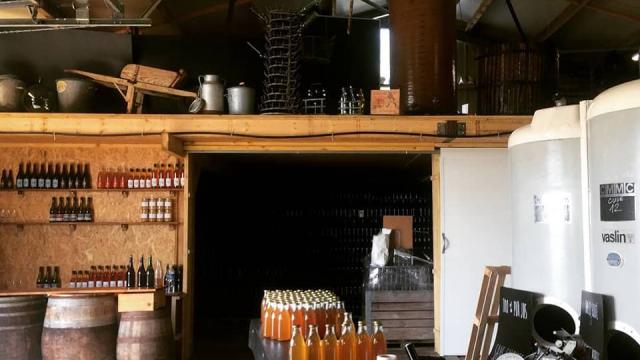
    This is a very useful expression in Brittany when you’re enjoying pints or bowls of cider with friends. It means “Cheers!” or “Here’s to you!
  • Degemer mat!
    In Breton, “degemer” means “welcome” and “mat” means “good”. If you hear these two words, you’re simply being welcomed.
  • What’s it like?
    This phrase used by the Breton people may surprise you the first time you hear it. It’s just a greeting that can be translated as “comment ça va?”.
  • Un jus
    If you’re offered “un jus”, it’s not freshly squeezed fruit juice but coffee.
  • Faire du reuz
    “And it’s going to make a lot of noise! In other words, it’s going to make a lot of noise in the next few moments!
Téléchargez le magazine

Everyday expressions

If you’re in Brittany, you’re bound to hear a lot of Breton expressions in your daily life. Some Bretons use them without even thinking about it. Here are just a few of the expressions that are part and parcel of everyday language in Brittany:

  • Une gouelle.
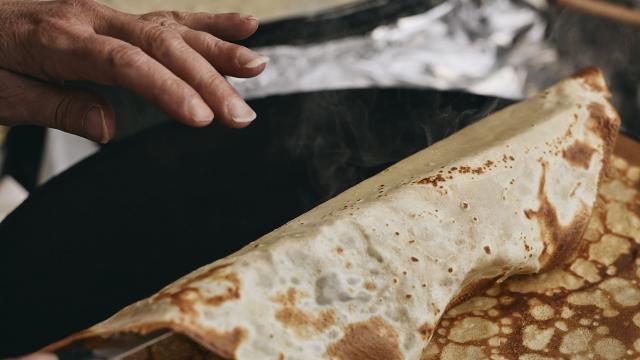
    Have you stuffed yourself with four galettes-saucisses before having two slices of kouign-amann for dessert? Congratulations, you’ve just eaten like a gouelle, in other words like a pig.
  • A-dreuz!
    This expression means “askew”. So if someone says to you “Tu t’es garé à-dreuz”, they’re simply telling you that you’ve parked the wrong way.
  • The curler
    No, the bigaille is not a bar. It’s small change that’s always lying around somewhere: at the bottom of a bag or your trousers, for example.
  • Ma doué!
    This translates as “Mon Dieu”, and its variant “Ma doué beniget!” if you’re really shocked.
  • Friskette
    This word is used to say that it’s cold: “It’s been friskette outside for the last few days”.

Late-night expressions

Night has fallen in Brittany and the party is in full swing. Laughter and cheerful conversation echo through the streets, bars and homes. But as the evening draws to a close, Breton expressions come into their own to bring the night to a close.

  • Blowing the biniou
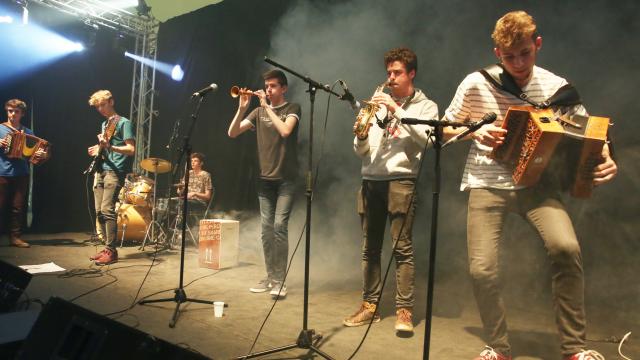
    The biniou may be the instrument heard at every Fest Noz, but this expression is far from being about playing a few notes of Breton music. In fact, it means blowing into a breathalyser.
  • Faire la chouille
    In practical terms, faire la chouille means to party!
  • Gwenojenn/ribine
    A hint? Go through this ribine, you’ll get there much quicker! Defining an alternative, much shorter route!
  • Skuizh
    The expression for being tired! I’m skuizh!
  • Louzoù
    Feeling unwell, feeling a bit dizzy? Then take some louzoù to help you get over it! As you’ll have gathered by now, louzoù is a remedy, a medicine that will solve your problems.

Before your aperitif, brush up on your Breton! Just a few words to order a beer, chat with a smile and get the evening started. In the bistros of the Pink Granite Coast, brezhoneg is shared at the bar, between good humour and local culture.

An invitation to explore the region’s culture

Even if some expressions are no longer commonly used, they have been passed down from generation to generation and are an integral part of Breton history and culture. They bear witness to the richness of Breton culture and provide a better understanding of the region’s identity.

So be proud to share these expressions with your friends and family, and contribute to the transmission of Breton culture!

Soaking up the language

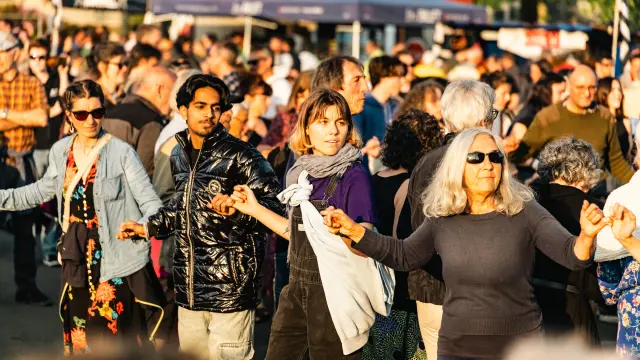
With traditional songs (kan ha diskan), lively conversation, lively music and dances that bring together all generations, it’s the perfect opportunity to listen, rehearse and soak up the language while having fun. Fest-noz is much more than just an evening out: it’s a total immersion in Breton culture, a natural and joyful way of learning, where every word learnt becomes a small victory… and every dance step a celebration of Breton culture!

We answer the most frequently asked questions
  • What exactly is a Bretonism?

    The term “bretonnisme” refers to the influence of the Breton language on the French language. There are two types:

    • Vocabulary: the use of Breton words in the middle of a French sentence (e.g. “Quel reuz!” to say “quel bazar”).
    • Syntax: turns of phrase modelled on Breton grammar (e.g. “Donner un coup de balai avec toi”). These expressions reflect a living culture and a strong regional identity that Bretons are happy to share.

    It’s these little linguistic nuggets that you’ll hear at the market, in the café or with your family during your stay on the Pink Granite Coast.

  • How many people still speak Breton today?

    More than 200,000 people speak Breton according to the Office Public de la Langue Bretonne, and the number is growing every year thanks to the Diwan schools (schools where Breton is taught)!

  • Is Breton difficult to learn?

    Like any language, it depends! There are no insurmountable difficulties for beginners, and with common expressions, you can quickly have fun.

  • Is it possible to take private lessons?

    Yes, absolutely! There are numerous teachers throughout the Trégor region, offering their services for between €15 and €25 an hour. You can book lessons on the various websites available.

  • What is the most useful Breton expression?

    “Demat!” means hello and “Trugarez!” means thank you. Two essentials for everyday life!

Cultivate your desires

Portable Pinterest 2 Removebg PreviewPortable Pinterest 2 Removebg Preview
©Portable Pinterest 2 Removebg Preview

Save our pins on Pinterest

Discover the Pink Granite Coast from a new angle on Pinterest! Get inspired by our themed pins to plan your next trip, whether it’s for nature getaways, cultural discoveries or relaxing family time. Follow us on Pinterest and let us guide you towards a memorable adventure on the Pink Granite Coast!